
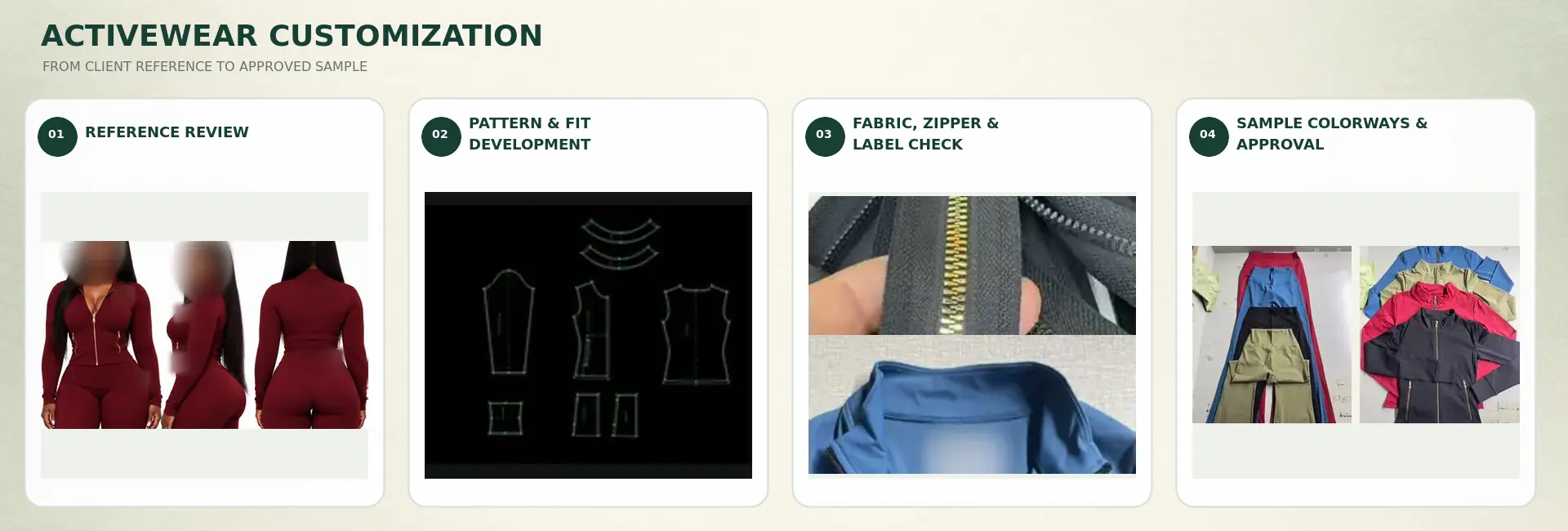
Activewear Manufacturing & Development Services
Manufacturing and Development Support for Established Activewear Brands
NorvelaFit provides activewear manufacturing and product development services for established brands and professional product development teams.
Projects may begin with an approved tech pack, an existing sample, a design concept, or a collection brief. The appropriate collaboration model depends on what your team has already defined, what still requires development, and how technical responsibilities and approvals will be managed.
Explore our services to identify the manufacturing and development support relevant to your project.
Choose Your Collaboration Model
OEM, ODM, and private label services represent different starting points for an activewear project. The appropriate model depends on the technical information available, the development work required, and the degree of customization involved.
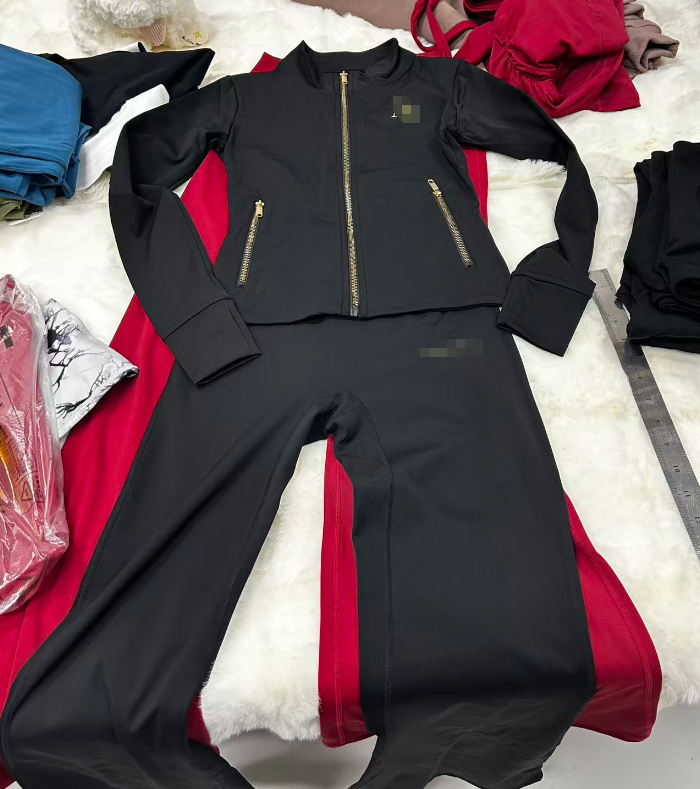
OEM Manufacturing
Manufacturing Based on Your Approved Specifications
OEM manufacturing is suited to brands with established designs, technical specifications, and product approval requirements.
The starting point is the brand's authorized tech pack, patterns, material specifications, and approved references. NorvelaFit's OEM service covers material and manufacturing feasibility review, relevant sample verification, and the coordination of production requirements against agreed technical standards.
Changes affecting design intent, materials, fit, or approved construction require the appropriate customer review and authorization.
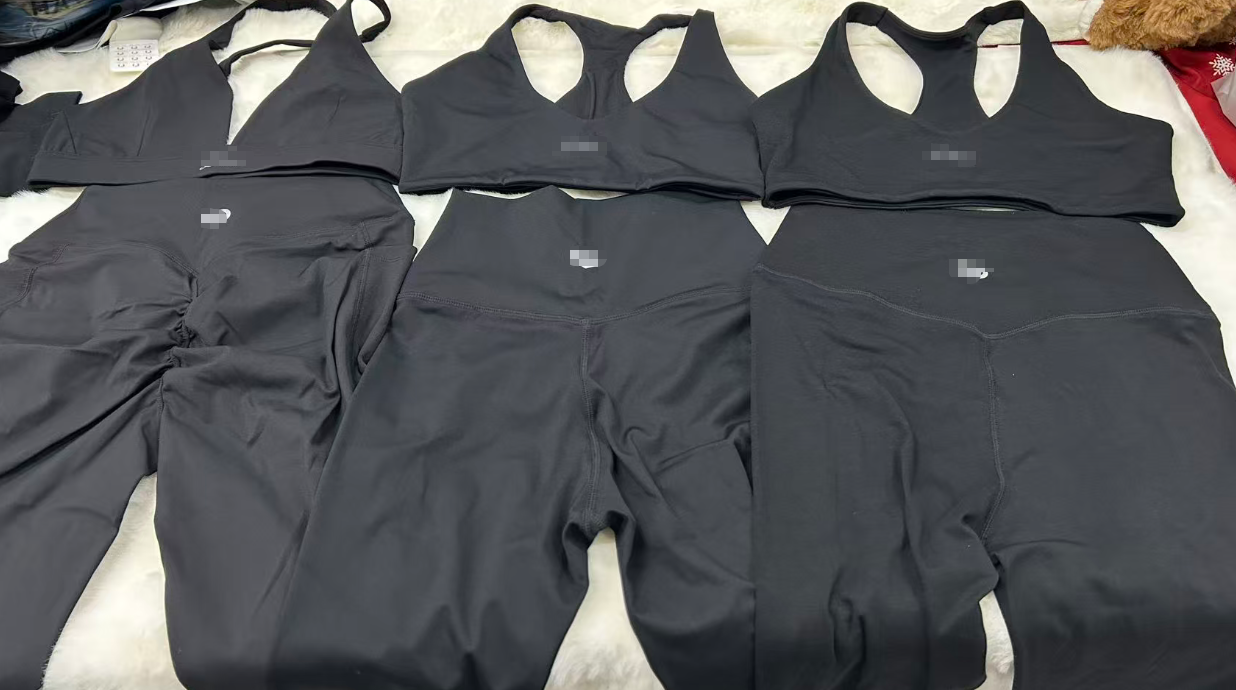
ODM Development
From Product Brief to Developed Garment
ODM development is appropriate when a brand needs support turning a concept, design direction, or reference sample into a technically defined product.
The development scope may include garment construction, fabric sourcing, pattern or seamless knitting feasibility, prototype development, fit assessment, and sample revisions.
Each project requires agreement on the intended design, technical deliverables, approval responsibilities, and ownership or permitted use of the resulting work.
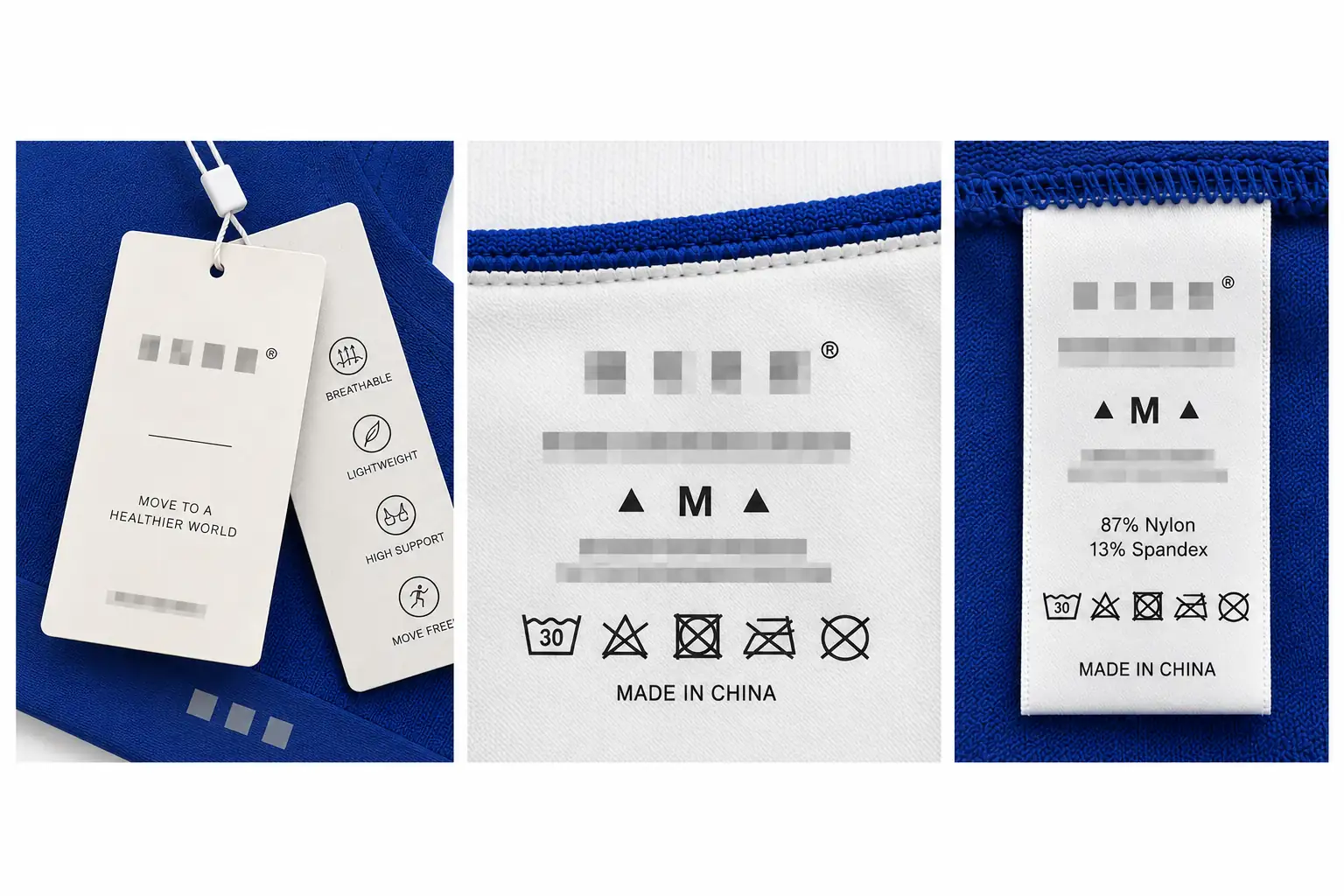
Private Label Solutions
Brand Customization Using Suitable Base Styles
Private label services are relevant when an existing or approved base style can accommodate the brand's required customization.
This may include logo application, color options, size and care labels, hangtags, and packaging specifications. The base garment, materials, artwork, and retail labeling requirements need to be reviewed together.
If customization involves substantial changes to the pattern, fabric, fit, or garment construction, the project may require additional product development rather than labeling changes alone.
Development Support for Your Project
Choosing a collaboration model is only one part of defining a project. The development work required depends on whether your team is refining an individual style or coordinating an entire collection.
Product Development and Collection Development can form part of a wider OEM or ODM arrangement, depending on the agreed scope.
Product Development
Technical Development for Individual Garments
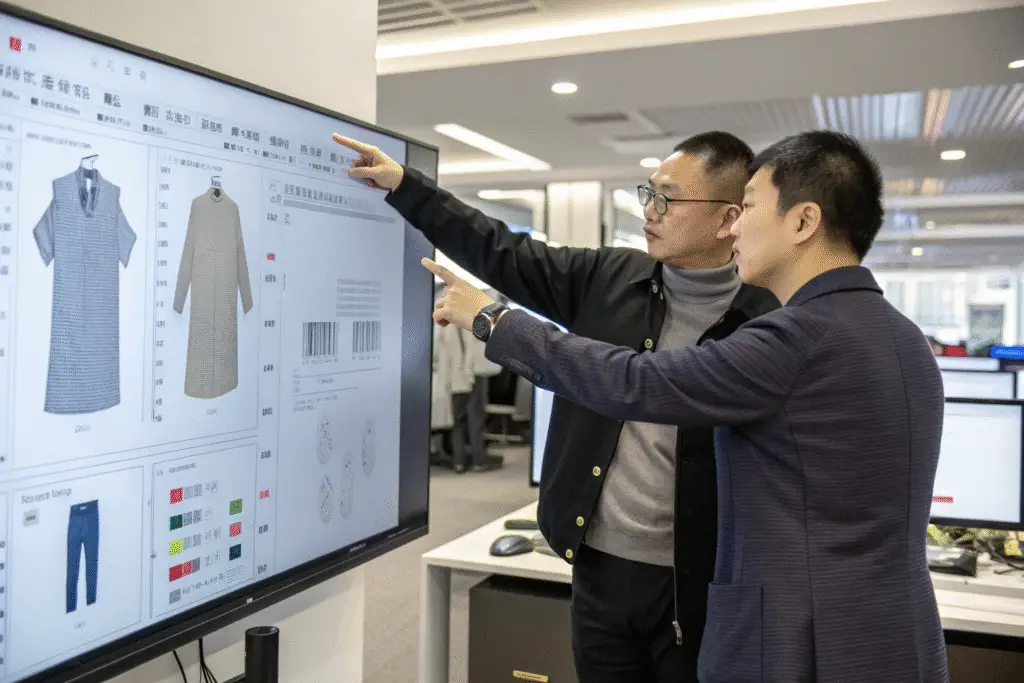
Product development focuses on the technical work needed to define, refine, and prepare an individual garment for approval.
Depending on the starting information, this may involve tech pack review, fabric and trim selection, pattern development, seamless knitting feasibility, fit assessment, and sample revisions.
For activewear, decisions about stretch recovery, garment tension, seam placement, and construction need to be evaluated against the intended use and approved design requirements.
The objective is to establish clear technical specifications and an agreed sample reference before production planning.
Collection Development
Coordinated Development Across Multiple Styles
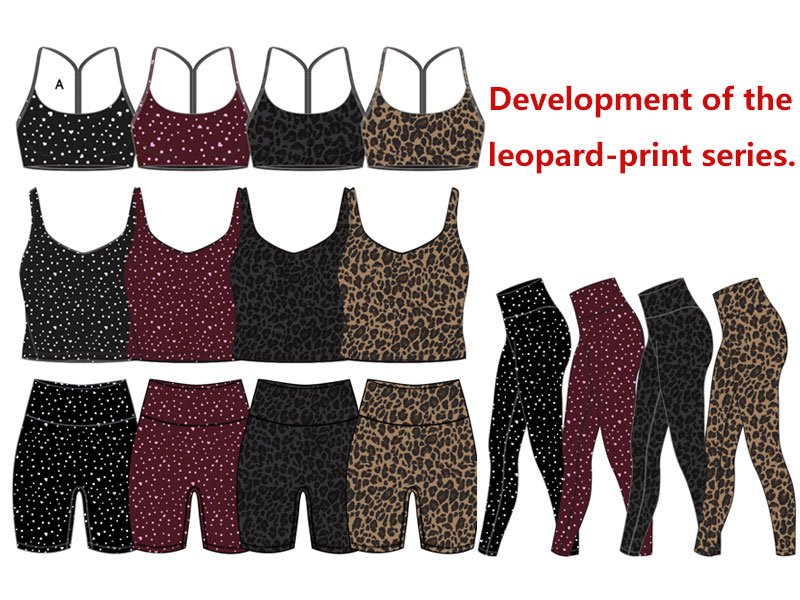
Developing a collection introduces requirements beyond those of an individual garment.
Style families, colorways, size ranges, shared fabrics, trims, and sampling schedules need to be considered together. A change to one material or design specification may affect several products within the collection.
Collection development can involve organizing a style and SKU matrix, identifying common material requirements, coordinating parallel sampling, and aligning technical approvals with the intended launch schedule.
These activities help define how individual styles fit into the wider collection plan while retaining their own technical and approval requirements.
From Project Brief to Collaboration
A productive first discussion starts with a clear understanding of your product requirements, the information already available, and the decisions that still need to be made.
A complete tech pack is helpful, but it is not necessary for an initial conversation if the product direction and required support can be explained.
Share Your Project Brief
Tell us about the garments or collection you are planning, the intended use, and the current development stage.
Useful starting information includes available tech packs or design references, target fabrics, size ranges, colorways, estimated quantities, target market, and delivery requirements.
If a product development agency is coordinating the project, it is also important to identify the relevant brand contacts and technical approval responsibilities.
Review Scope & Feasibility
The next step is to clarify the proposed collaboration model, development requirements, and relevant manufacturing considerations.
This may involve reviewing technical information, material availability, construction feasibility, sampling needs, and quality requirements.
Project-specific pricing, minimum quantities, development charges, and schedules are determined through the applicable technical and commercial assessment.
Define the Next Steps
Once the project scope and responsibilities are understood, the next stage may involve detailed specification review, sample development, quotation, or production planning.
Technical revisions, material selections, and samples require the appropriate review and approval before the relevant production decisions are made.
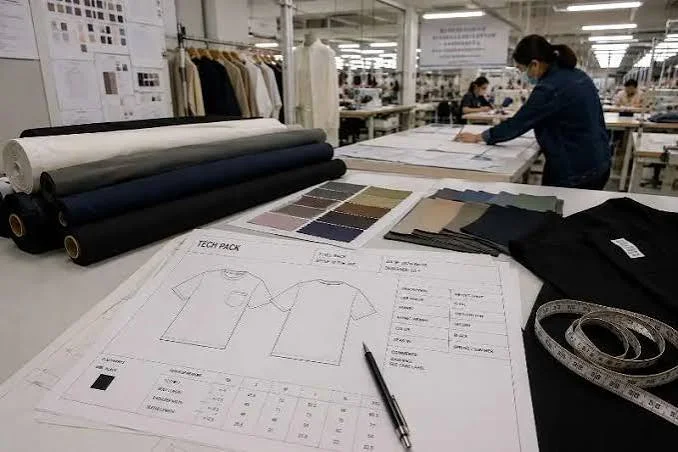
For a more detailed explanation of project stages and responsibilities, explore Our Collaboration Process.