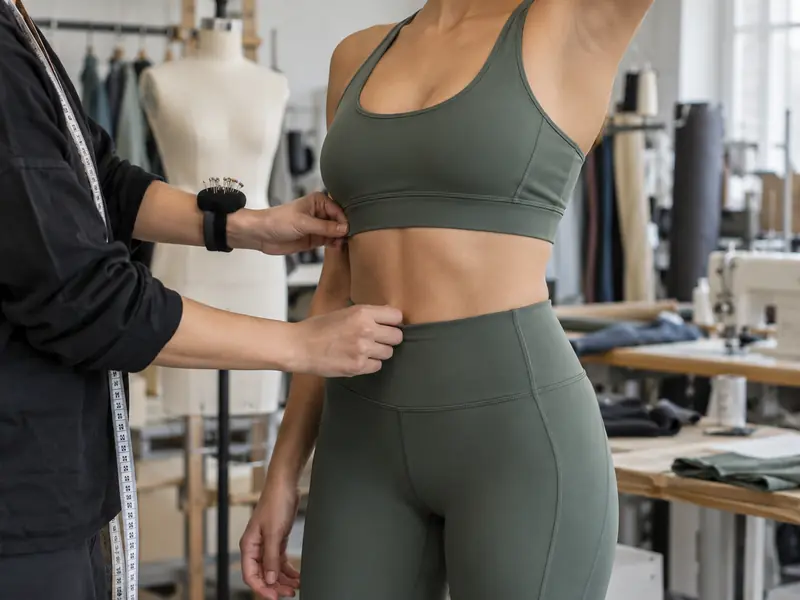
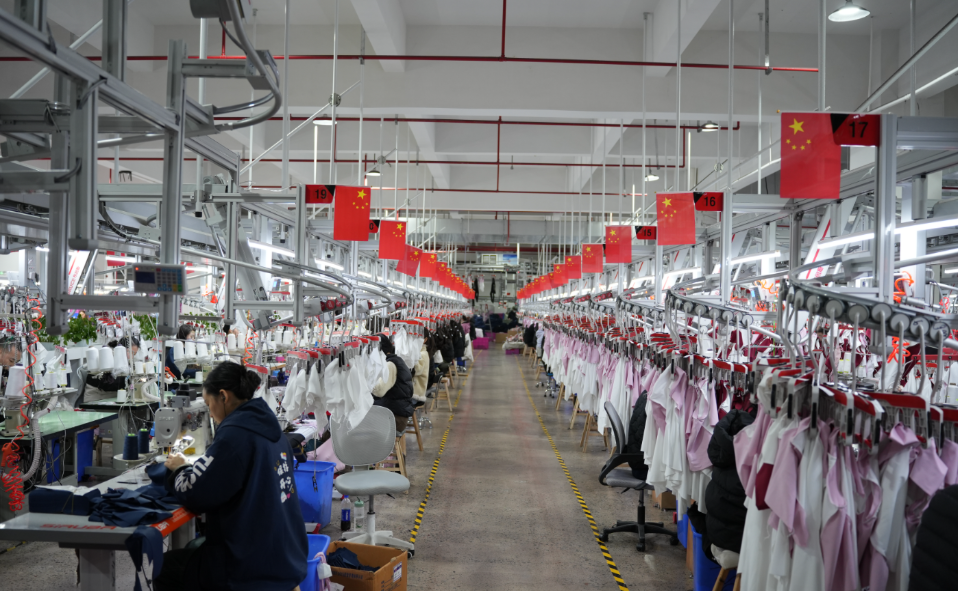
Activewear Engineering & Manufacturing Capabilities
Connecting Product Requirements with Technical Development and Manufacturing
NorvelaFit works with established activewear brands and professional product development teams on the technical and manufacturing requirements behind their garments.
From fabric selection and pattern engineering to seamless knitting, cut-and-sew construction, sample development, and production coordination, each capability serves a different part of the product development and manufacturing process.
Explore how these disciplines relate to garment performance, construction feasibility, technical approvals, and manufacturing readiness.
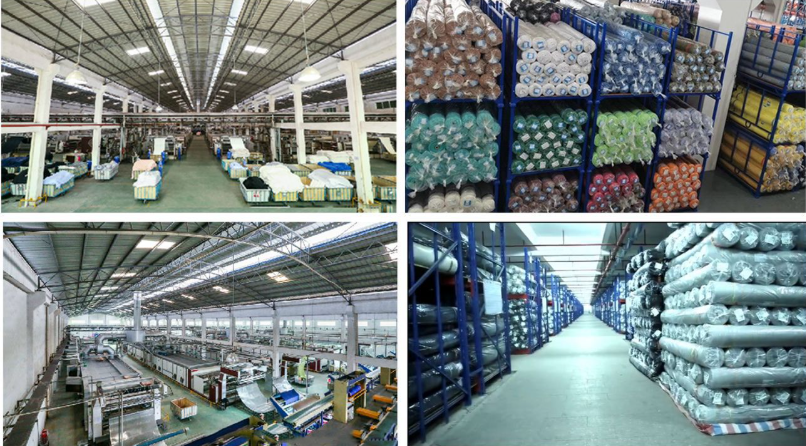
Fabric & Material Engineering
Fabric selection influences how activewear stretches, recovers, fits, feels against the skin, and performs during use. Material suitability cannot be determined from fiber composition or fabric weight alone.
NorvelaFit's material engineering scope includes the review of fabric structures, fiber blends, stretch characteristics, color requirements, and the relationship between material properties and garment construction.
Material Structure & Performance
Nylon-spandex and polyester-spandex fabrics offer different starting points for activewear development, but their behavior also depends on yarn selection, knit construction, density, finishing, and the intended application.
A fabric selected for yoga leggings may prioritize softness, controlled stretch, recovery, and coverage. A training garment may place greater emphasis on abrasion resistance, structural stability, or moisture-management requirements.
These priorities must be translated into specifications that can be evaluated using suitable fabric samples and agreed test conditions.
Color, Consistency & Traceability
Material approval extends beyond selecting a fabric type.
Color standards, lab dips, fabric width, weight, stretch characteristics, and approved material references need to be considered alongside sourcing and production requirements. Where relevant, material codes and lot information help distinguish approved specifications from subsequent substitutions or production variations.
Properties such as opacity, colorfastness, shrinkage, and stretch recovery should be evaluated against the relevant fabric, color, and test conditions rather than assumed from a material description.
For more information on material selection, specifications, and sourcing considerations, explore Fabrics & Materials.
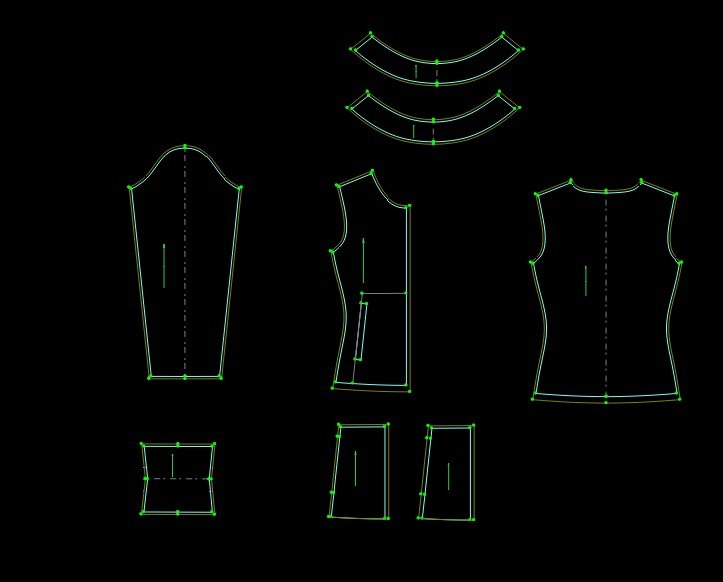
Pattern Engineering & Dynamic Fit
Activewear fit depends on the interaction between pattern geometry, fabric behavior, garment construction, and movement.
A technically accurate measurement chart is an essential starting point, but the finished garment must also be assessed for how it sits, stretches, and responds during its intended activities.
From Specifications to Pattern
Pattern development begins with the design intent, relevant reference samples, points of measure, and approved construction requirements.
For stretch garments, pattern dimensions need to account for fabric extension, recovery, negative ease, and the distribution of tension across the body. Waistband construction, gusset geometry, underband dimensions, and seam placement can all influence the resulting fit.
Technical revisions should be reflected in the appropriate pattern, measurement, and construction documents so that the intended changes are clear.
Fit, Grading & Movement
Static measurements alone cannot establish whether leggings remain positioned during squatting or whether a sports bra maintains its intended fit through movement.
Fit assessment may consider garment stability, pressure distribution, range of motion, and the interaction of different materials or garment components.
Grading also requires attention to proportions, stretch behavior, and the approved size range. A satisfactory base-size sample does not automatically confirm the fit of every other size.
Learn more about translating technical specifications into patterns, grading, and fit assessment through Pattern Making & Technical Fit.
Seamless & Cut-and-Sew Construction
Seamless knitting and cut-and-sew manufacturing offer different approaches to activewear construction. Neither process is universally suitable for every garment.
The decision depends on the desired structure, fabric characteristics, fit requirements, design details, and the manufacturing resources available for the project.
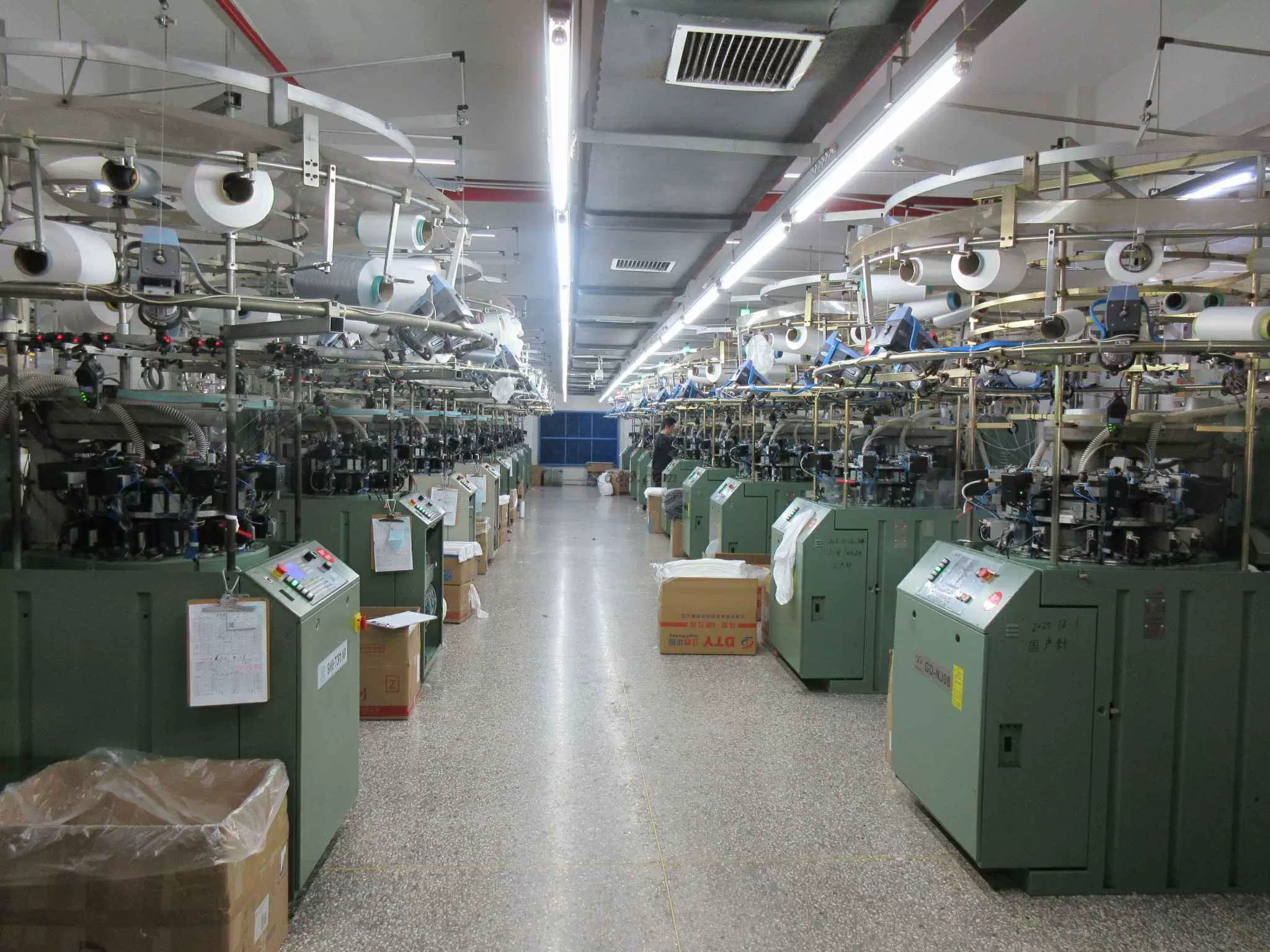
Seamless Knit Engineering
Circular-knit seamless manufacturing can create tubular garment structures with engineered knit zones, including rib, mesh, and other programmed constructions.
This approach can reduce the need for certain cut panels and seams, but garment development still requires careful consideration of yarn behavior, machine compatibility, gauge, cylinder diameter, knitting programs, and finishing conditions.
A seamless garment may also require subsequent sewing or assembly, including gussets, straps, or other components.
Machine brand alone does not establish technical suitability. For example, Santoni is a recognized circular-knitting equipment brand, but an actual project must be matched to the specific machine model, configuration, program, and garment requirements.
Explore the technical considerations behind Seamless Manufacturing.
Cut-and-Sew Construction
Cut-and-sew manufacturing provides flexibility for garments requiring defined panels, shaped seams, pockets, supportive components, or complex assembly.
The manufacturing route connects approved patterns and markers with fabric spreading, cutting, sewing, finishing, and workmanship inspection.
For stretch activewear, stitch selection, seam allowance, fabric direction, and reinforcement need to reflect the forces placed on the garment during use. Construction methods suitable for one fabric or design may not produce the same results when transferred to another.
Explore the process and technical requirements of Cut-and-Sew Manufacturing.
The appropriate manufacturing route should be selected against the product's approved design, material properties, and technical requirements—not the process name alone.
Sampling & Technical Approval
Sampling is where product specifications are evaluated against a physical garment. Different samples serve different purposes, and approval at one stage does not automatically authorize the next.
NorvelaFit's sampling and technical approval framework distinguishes development questions, fit assessment, size verification, and pre-production requirements.
Development & Fit Samples
An initial prototype helps assess the proposed design, material, and construction approach. It may reveal issues that are not apparent in sketches or technical specifications.
Fit samples are used to examine measurements, garment balance, movement, and the interaction between the pattern and fabric.
Feedback should identify the relevant style, sample version, measurements, required changes, and approval status. A revised sample needs to be evaluated against the issues it was intended to resolve.
Size Set & Pre-Production Approval
Size sets help evaluate grading and construction consistency across the required size range.
A pre-production sample serves a different purpose: it establishes an agreed product reference against the applicable materials, construction, workmanship, and technical specifications before production release.
The relevant approvals need to correspond to controlled versions of the tech pack, material specifications, patterns or knitting programs, and sample records.
A completed sample is not the same as an approved production reference.
For more detail on development samples, technical revisions, and approval stages, explore Sampling & Prototyping.
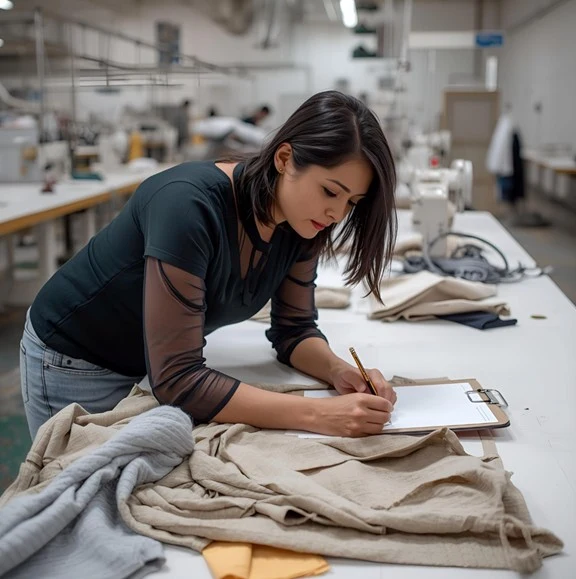
Manufacturing Resources & Execution Responsibility
A manufacturing capability must be considered alongside the resources responsible for carrying it out.
For a brand evaluating a supplier, understanding the process is only part of the assessment. The proposed manufacturing site, relevant equipment, production responsibilities, and applicable approvals also matter.
Execution Sites & Equipment
Different manufacturing operations require different resources.
Circular-knit seamless production depends on suitable knitting machines, yarns, programs, and subsequent finishing or assembly operations. Cut-and-sew production requires the appropriate pattern preparation, cutting, sewing, and finishing arrangements.
For a specific project, equipment suitability depends on the required operation and its technical parameters—not simply the presence of a machine brand or a general factory capability statement.
The manufacturing location and available resources also need to be considered against the proposed product, construction method, and production requirements.
Resource Relationships & Responsibilities
Manufacturing arrangements may involve directly operated facilities, partner factories, or specialized processing resources. These relationships should be distinguished when reviewing a project's execution plan.
The relevant questions include which party is responsible for each operation, how approved technical information is transferred, and who is accountable for inspection and subsequent corrections.
NorvelaFit's manufacturing coordination framework is based on identifying the responsible execution resources and aligning them with the applicable product specifications and customer requirements.
For more information about manufacturing locations, resource relationships, and factory responsibilities, visit Our Manufacturing Network.
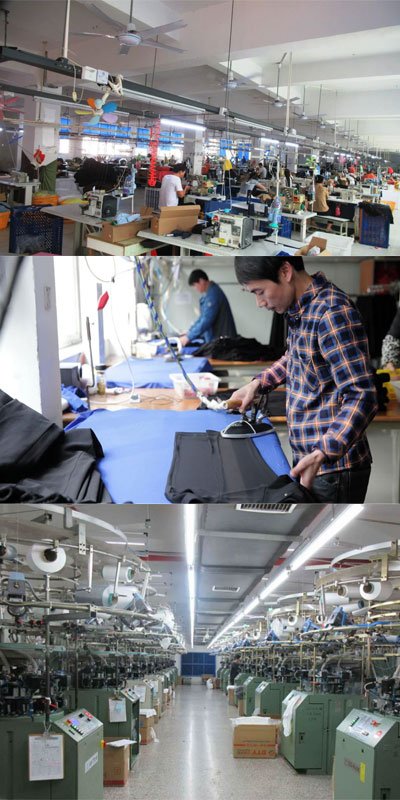
Reviewing Capability Evidence
Technical capability is best assessed through information that can be connected to a defined product, process, manufacturing resource, and approval requirement.
A fabric specification, a production sample, an equipment photograph, and a test report provide different types of evidence. They should not be treated as interchangeable proof of manufacturing performance.
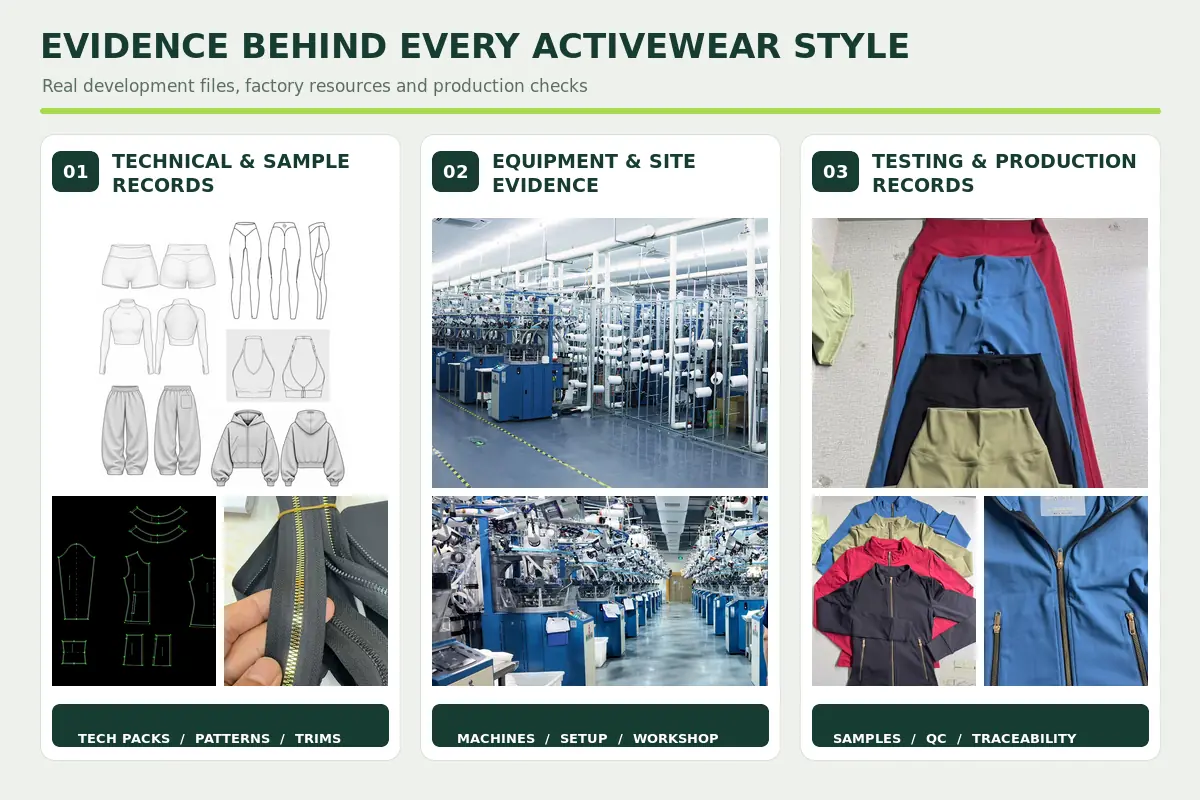
Technical & Sample Records
Tech packs, approved material references, measurement specifications, patterns or knitting programs, and sample approval records help establish what was required for a particular style.
Version identification is important when reviewing these documents. A sample or technical record should correspond to the design and specifications being evaluated.
Equipment & Site Evidence
Equipment photographs and factory information can help identify the resources associated with a manufacturing process.
For technical qualification, the relevant machine model, configuration, manufacturing location, and process responsibility are more informative than an equipment brand or an isolated photograph.
The suitability of those resources remains specific to the product and manufacturing requirements.
Testing & Production Records
Product and material testing should be interpreted in relation to the sample tested, the test method, and the relevant acceptance criteria.
For example, stretch recovery, colorfastness, dimensional stability, and garment coverage require different assessment methods. A result obtained from one material, color, or sample configuration should not automatically be applied to every variation.
Production and inspection records serve a separate purpose: they help establish what was manufactured, under which approved requirements, and what was recorded during execution.
For product-level verification, see Product Testing & Inspection. For factory qualification and supplier assessment, explore Factory Audit & Vendor Qualification.
Discuss Your Technical Requirements
Whether you are developing a new garment, refining an existing style, or evaluating manufacturing feasibility, a useful technical discussion begins with the product requirements and the information currently available.
An approved tech pack provides a strong starting point. Earlier-stage projects can also be discussed when the design direction, intended use, and development questions are sufficiently clear.
Information for an Initial Technical Review
Please share the information available for your project:
- Product scope: Garment types, intended activities, and relevant design requirements
- Technical references: Tech packs, drawings, patterns, or existing samples
- Materials and construction: Target fabrics, trims, structural details, and preferred manufacturing methods
- Fit and sizing: Size ranges, measurement requirements, and known fit concerns
- Performance requirements: Relevant product functions, testing expectations, or brand quality standards
- Project parameters: Estimated quantities, target market, and intended schedule
An initial review can help identify which specifications require clarification, which technical questions need further development, and which manufacturing considerations should be evaluated.
If your project requires additional design refinement, material selection, or garment engineering, you can also explore our Product Development services.