
Activewear Quality Assurance & Compliance
Quality Requirements, Product Verification and Supplier Review
NorvelaFit's quality and compliance framework connects approved product specifications with manufacturing controls, inspection requirements, testing, and supplier qualification.
For established activewear brands, quality assessment extends beyond the appearance of a finished garment. Fabric performance, fit, construction, material consistency, production records, and market-specific requirements can all affect whether a product meets its intended specification.
Explore the quality management principles, verification activities, and compliance considerations relevant to activewear development and manufacturing.
Quality Risks Across Activewear Products
Activewear quality requirements depend on how the garment is constructed and how it is expected to perform during movement.
Visual workmanship remains important, but stretch, support, coverage, garment stability, and repeated wear introduce additional considerations that vary between product types.
Leggings & Stretch Bottoms
Leggings require attention to fabric coverage under extension, waistband stability, inseam and gusset construction, seam durability, and consistency of garment dimensions.
A fabric that appears opaque when relaxed may behave differently when stretched. Coverage assessments therefore need to consider the relevant color, size, garment tension, and testing conditions.
Waistband fit and seam placement should also be reviewed against intended movements such as squatting, bending, and stretching.
Sports Bras & Support Structures
Sports bras introduce construction and fit considerations around the underband, straps, cup or lining components, elastic recovery, and seam positioning.
Support expectations depend on the garment's design and intended activity. A visually correct garment does not automatically demonstrate the intended support or stability during movement.
The appropriate evaluation may involve fit review, material performance assessment, and construction checks against the approved specification.
Seamless & Engineered Knit Garments
Seamless garments require attention to programmed knit structures, local stretch behavior, garment dimensions, yarn consistency, and finishing.
Engineered rib, mesh, and other knit zones can respond differently to tension and laundering. Where the garment includes gusset seams, straps, or additional assembly, those areas require appropriate workmanship and construction review as well.
Identifying these risks helps define which checks belong in production inspection and which product characteristics require separate performance verification.
Quality Controls Across Manufacturing
Quality control activities need to correspond to the materials, processes, and product requirements involved at each manufacturing stage.
Incoming inspection, pre-production verification, in-process checks, finished garment inspection, and pre-shipment review address different risks. A satisfactory result at one stage does not eliminate the need to consider the others.
Incoming Materials
Fabric, yarn, trims, and other supplied components are reviewed against the applicable material references and acceptance requirements.
For fabric, relevant checks may include identification of the supplier lot and rolls, appearance, color, width, weight, and other specified properties. An approved swatch alone does not establish the conformity of every delivered roll.
Pre-Production Approval
Before bulk manufacturing, the applicable technical specifications, materials, construction requirements, and approved sample references need to be aligned with the intended production method.
Any unresolved differences require clarification before affected operations are released.
In-Process Inspection
Process checks focus on issues that can arise during knitting, cutting, sewing, assembly, and finishing.
Examples include fabric direction, cut-panel accuracy, stitch formation, seam alignment, construction consistency, and garment measurements at relevant production stages.
Finished Garment Inspection
Completed garments can be examined for workmanship, dimensions, appearance, labeling, and conformity with approved construction details.
The inspection criteria should reflect the relevant style, size, materials, and customer requirements.
Pre-Shipment Verification
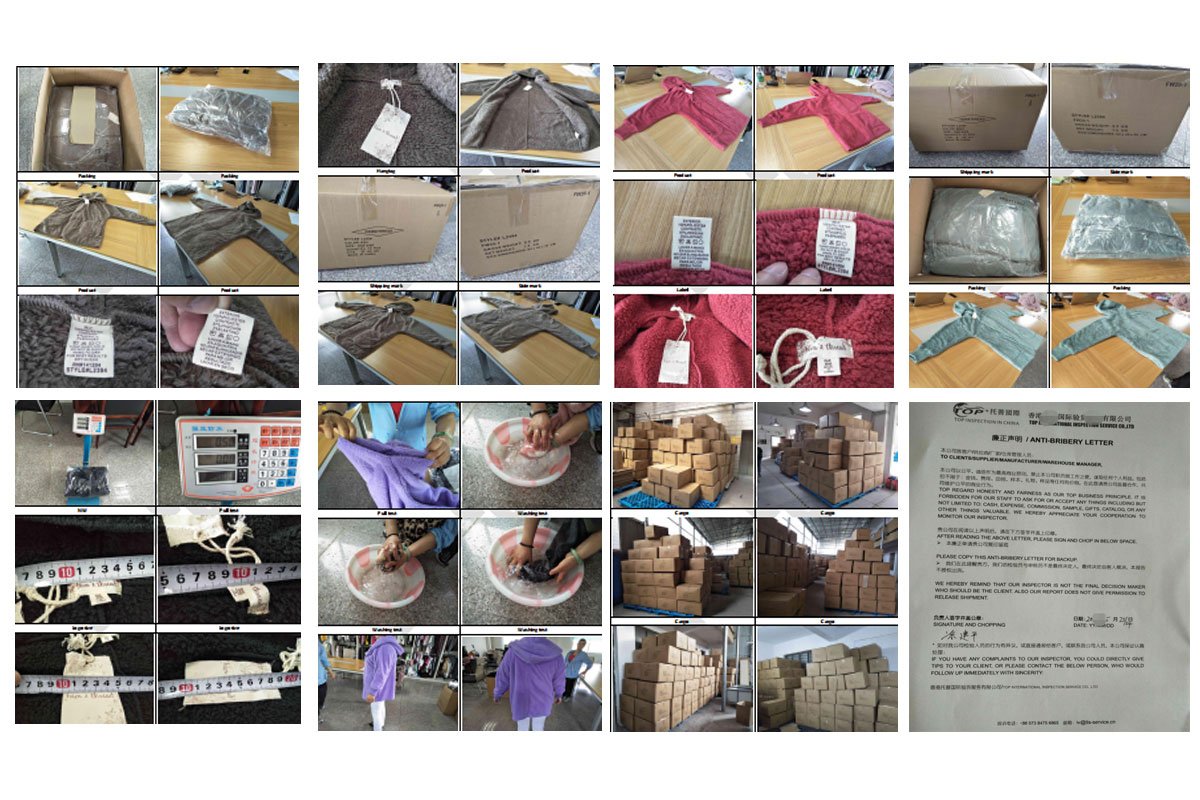
Pre-shipment checks address the condition and identification of the goods prepared for dispatch, including applicable assortment, labeling, packaging, carton information, and inspection requirements.
The inspection plan, frequency, acceptance criteria, and release responsibilities must be defined for the actual project. Final inspection alone is not a substitute for controlled materials and manufacturing processes.
Defect Classification & AQL Inspection
An inspection result is meaningful only when the inspection lot, defect definitions, sampling method, and acceptance criteria are understood.
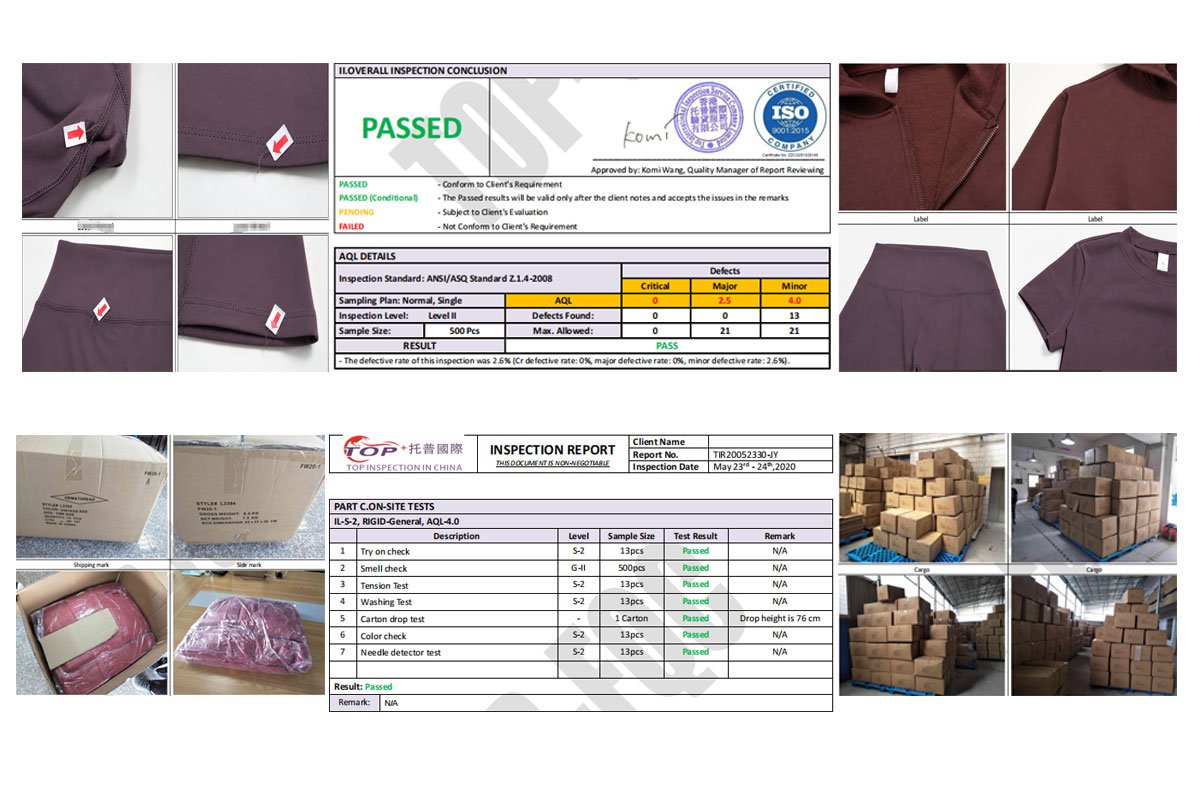
Acceptable Quality Limit (AQL) sampling is commonly used in apparel inspection to support lot acceptance decisions. It does not guarantee that every garment in an accepted lot is free from defects.
Defect Severity
Defects are generally assessed according to their significance and the applicable customer criteria.
- Critical defects may involve product safety, prohibited conditions, or other issues defined as unacceptable under the applicable requirements.
- Major defects may materially affect garment function, appearance, usability, or conformity with important specifications.
- Minor defects may represent less significant departures from the agreed workmanship or appearance requirements.
The classification of a specific issue must follow the relevant customer defect catalogue or agreed inspection standard. The same visual issue may have different implications depending on its location, severity, and product use.

Sampling & Acceptance Criteria
A sampling plan requires a defined inspection lot, applicable inspection level, selected AQL values, and acceptance and rejection numbers.
The resulting decision relates to that inspection lot and the agreed plan. It should not be presented as proof of garment performance, chemical compliance, or the absence of every possible defect.
If a lot does not meet the applicable acceptance criteria, the affected goods and required follow-up actions need to be determined under the agreed quality procedure.
Defect classification and sampling requirements should therefore be established before inspection rather than interpreted only after defects are discovered.
Product Testing & Performance Verification
Product inspection and performance testing answer different quality questions.
Inspection evaluates specified characteristics of a garment or production lot. Testing examines defined material or product properties under particular methods and conditions.
For activewear, both may be relevant to determining whether the finished product meets its intended requirements.
Fabric Performance
Material evaluation may include fiber composition, stretch and recovery, dimensional stability, colorfastness, pilling, abrasion resistance, and other properties relevant to the fabric and its intended use.
Different fabrics and constructions require different test priorities.
For example, a stretch fabric intended for leggings may need particular attention to recovery, coverage under extension, and dimensional behavior after laundering. A training top may place different emphasis on colorfastness, durability, or moisture-management performance.
A fabric composition label or sample swatch cannot substitute for test results where specific performance verification is required.
Garment Construction & Durability
Finished garments may require evaluation of seam strength, stitching performance, dimensional consistency, and the behavior of structural components.
Sports bras, leggings, and seamless garments also present different fit and construction requirements that may need garment-level evaluation.
Testing should be selected according to the applicable product specification rather than applied as an identical checklist to every style.
Test Reports & Acceptance Criteria
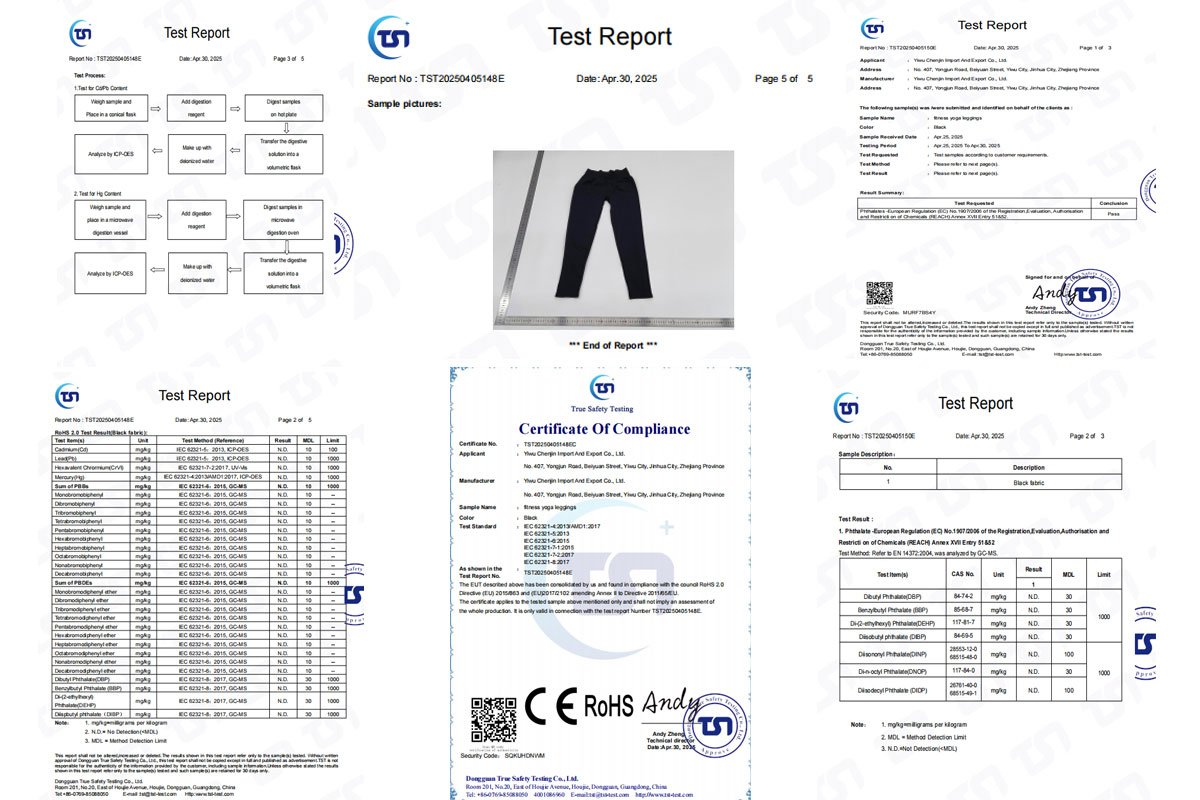
A useful test report identifies the sample or material tested, the relevant method, results, and applicable acceptance criteria.
Where testing is carried out by an external laboratory, the report should be reviewed for its issuing organization, sample identification, date, method, and scope.
A result for one fabric, colorway, material lot, or garment configuration should not automatically be extended to other variations without an appropriate technical basis.
For more detail on inspection requirements and product verification, explore Product Testing & Inspection.
Nonconformity & Corrective Action
When a quality issue is identified, correcting the visible defect may not resolve the condition that caused it.
Nonconformity management requires an understanding of the affected product, the point at which the issue was detected, the relevant manufacturing or material conditions, and the actions needed to prevent further impact.
Containment & Root Cause
An initial response should establish the known problem and identify potentially affected materials, work in progress, or finished goods.
Depending on the issue, this may require segregation, additional inspection, suspension of affected operations, or clarification of technical specifications.
The point where a defect is discovered is not necessarily the point where it originated.
Root-cause analysis may consider material variation, machine settings, pattern or specification errors, process methods, operator instructions, and changes introduced during production.
Corrective Action & Verification
Correction addresses the affected goods. Corrective action addresses the identified cause; preventive measures may address comparable risks elsewhere in the process.
The selected response needs to identify responsible parties, implementation requirements, and the evidence needed to confirm its effectiveness.
Where customer approval is required for repair, rework, concessions, material changes, or specification revisions, those decisions must be documented before the affected goods are released.
A nonconformity should not be considered fully resolved solely because a repair instruction was issued. The relevant outcome and effectiveness of the action need to be reviewed against the agreed requirements.
Batch Traceability & Quality Records
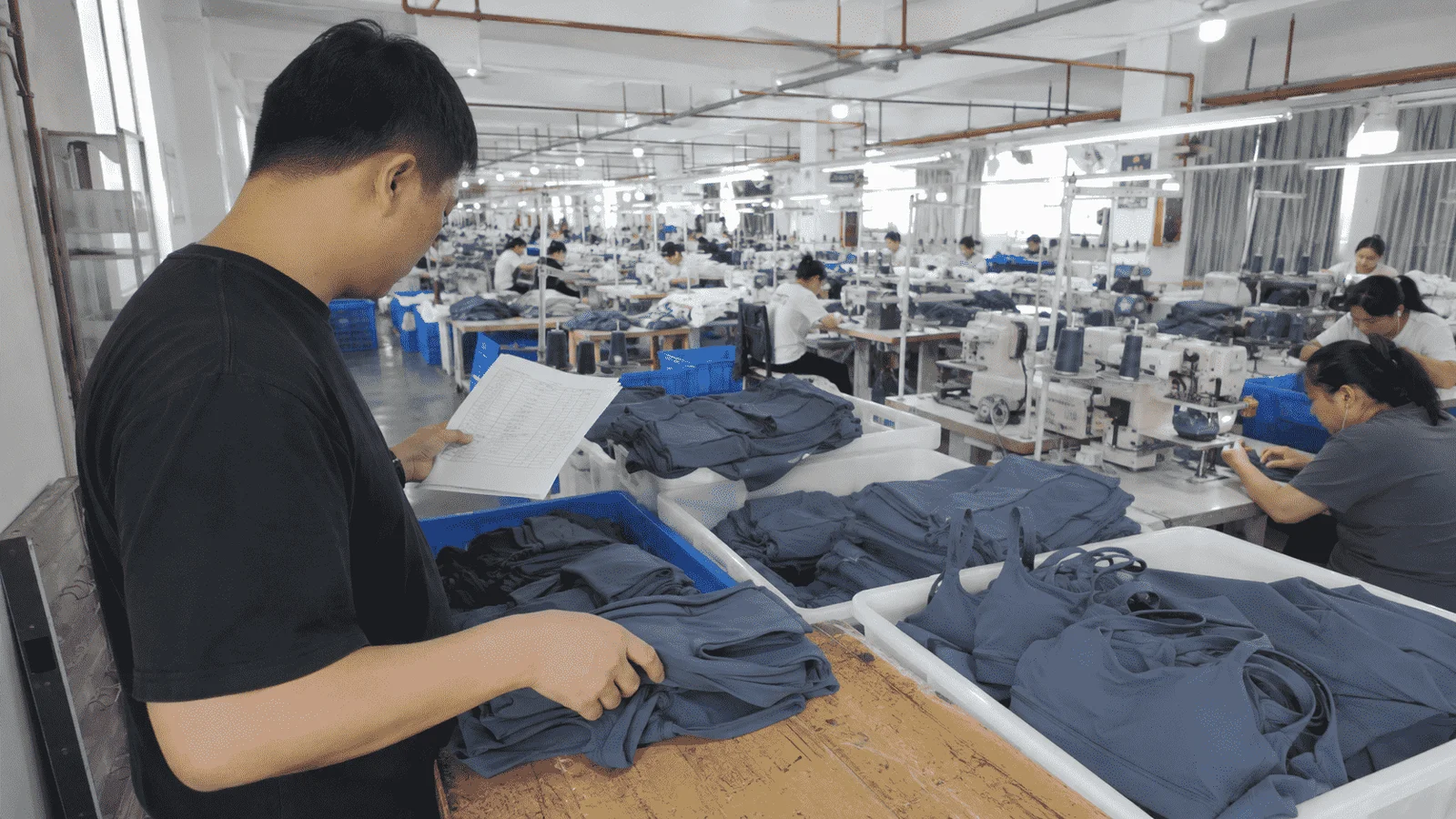
Quality records become more useful when they can be connected to the materials, product specifications, manufacturing activities, and shipment information relevant to a particular issue.
Traceability is not simply the retention of inspection reports. It requires consistent identification of the objects those reports describe.
Material & Production Identification
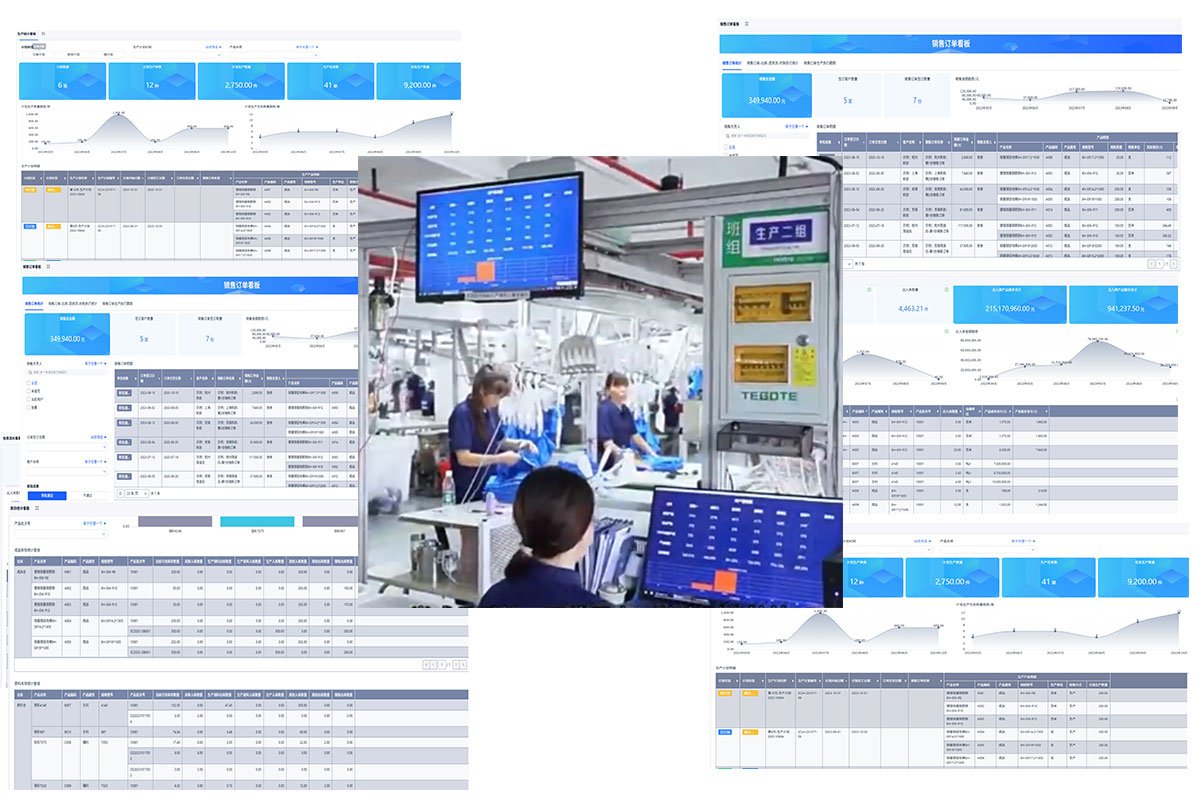
Relevant records may include the customer or order reference, style and revision, colorway, size, approved material codes, fabric rolls or yarn lots, manufacturing site, and production dates.
The appropriate identification level depends on the product, manufacturing method, supplier arrangements, and agreed traceability requirements.
For instance, a fabric issue affecting a particular material lot should be investigated using the relevant material and production information rather than assuming that every garment in the collection has the same exposure.
Quality Records & Shipment Links
Inspection findings, approved specifications, production information, packaging identification, and shipment records serve different purposes.
When these records are linked appropriately, they can help determine whether a reported issue relates to a specific material lot, style revision, production run, or dispatched quantity.
This information also supports nonconformity investigation, corrective action, and communication with the customer.
The scope of traceability should be defined for the project and supported by records generated during actual execution.
For a broader view of material planning and production coordination, explore Production & Supply Chain Management.
Factory Audit & Vendor Qualification
Supplier qualification requires an understanding of the legal entities, manufacturing sites, processes, and responsibilities involved in the proposed production arrangement.
A commercial supplier relationship and the location where garments are manufactured are not necessarily the same thing. This distinction matters when a brand defines the scope of its factory audit or vendor approval process.
Legal Entity & Manufacturing Site
A supplier review should identify the relevant contracting party and the manufacturing locations responsible for the proposed operations.
Where a project involves partner factories or specialized processing resources, their roles need to be considered in relation to the work performed, the applicable customer requirements, and the authorized production arrangement.
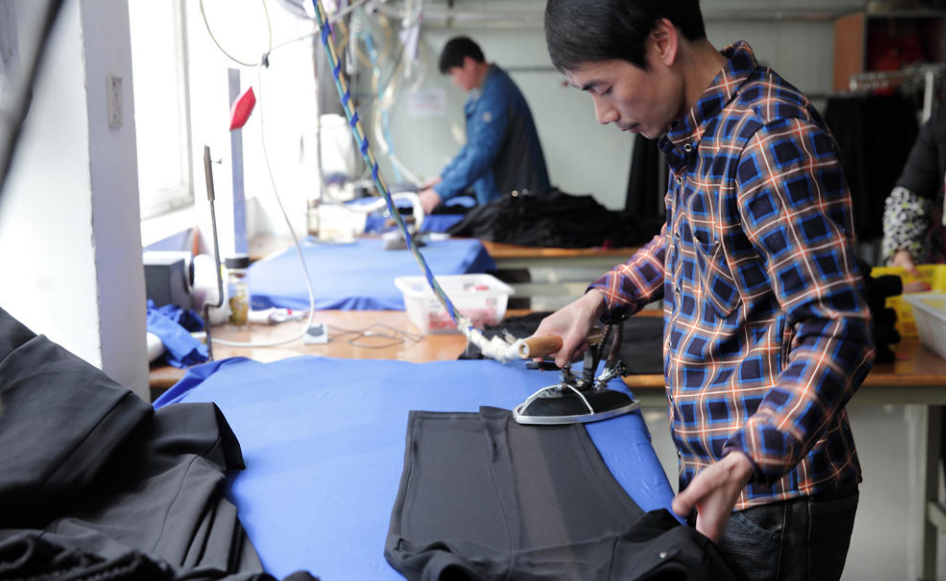
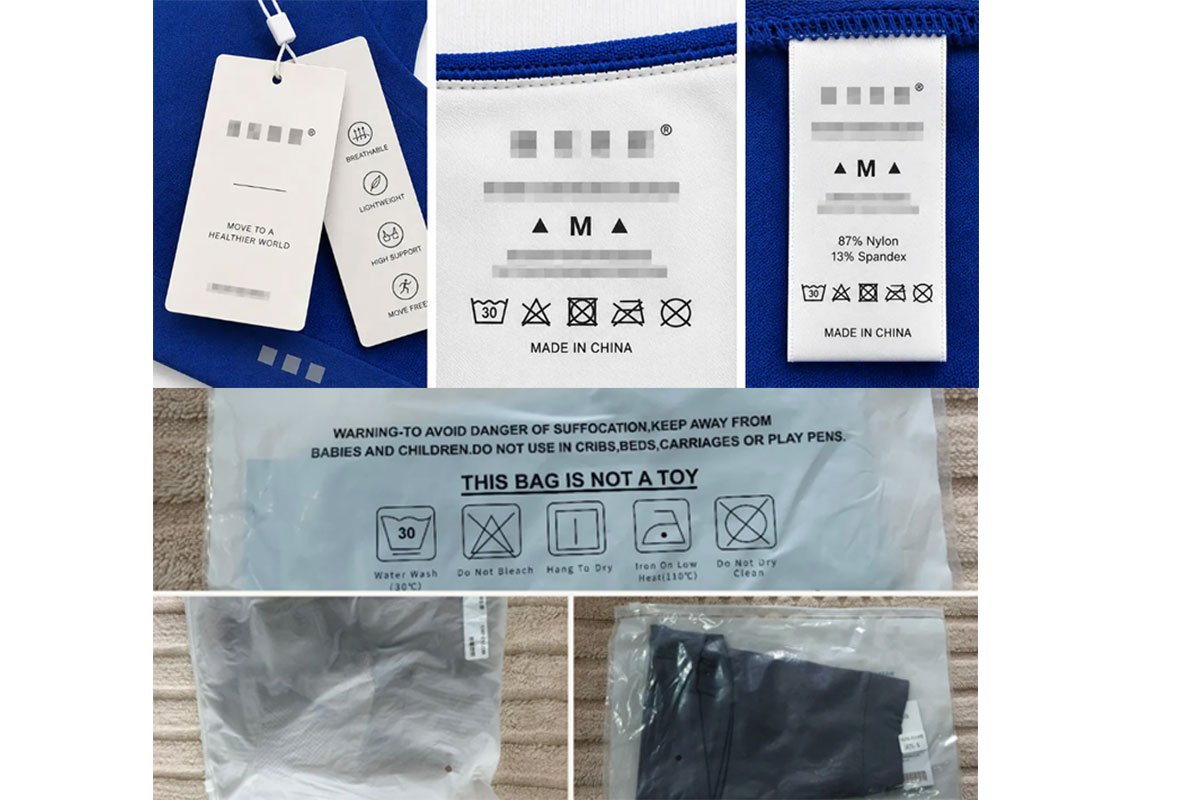
A photograph of a factory or machine does not establish ownership, operating responsibility, or an approved supplier status.
Factory Audit Scope
A factory audit may address production processes, equipment suitability, quality controls, documentation, worker-related requirements, environmental matters, and other criteria specified by the brand.
The audit scope depends on the purchasing organization, applicable supplier standards, manufacturing activities, and relevant legal requirements.
Assessment of one site or process should not automatically be extended to every facility or subcontracted operation associated with a project.
Qualification Records
Useful qualification information may include company and site identification, applicable manufacturing processes, approved supplier records, audit findings, corrective actions, and valid supporting documentation.
Where independent audits or certifications are involved, the issuing organization, site coverage, assessment scope, and validity should be reviewed.
For detailed supplier assessment considerations, see Factory Audit & Vendor Qualification.
To understand the manufacturing locations and resource relationships involved in NorvelaFit's business model, explore Our Manufacturing Network.
Market Compliance & Certificate Scope
Product compliance depends on where a garment will be sold, how it is classified, which materials and components it contains, and what claims accompany it.
The same activewear style may require different documentation or labeling decisions for different markets. Compliance requirements therefore need to be identified for the actual product and destination rather than assumed from a general supplier statement.
Market & Product Requirements
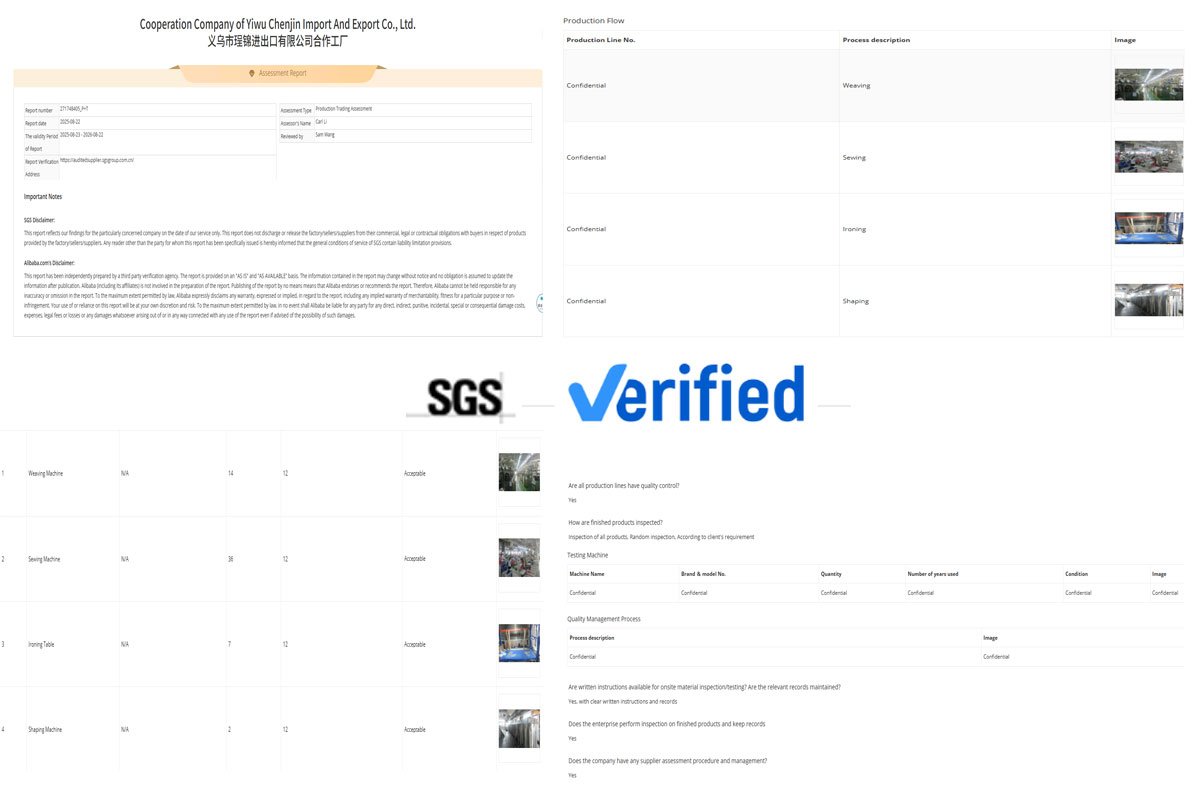
Requirements for textile products may involve fiber identification, country-of-origin information, care instructions, product safety, and other obligations applicable to the destination market.
The United States, European Union, United Kingdom, and other markets do not necessarily apply identical rules.
Additional requirements may arise from the product category, intended user, particular construction features, or customer-specific restrictions.
Material, Label & Chemical Requirements
Fabric composition, dyes, finishes, prints, trims, labels, and packaging may introduce separate compliance considerations.
Relevant documentation can include material declarations, test reports, approved label artwork, supplier information, and chemical-restriction requirements.
Private label customization also requires attention to the accuracy of brand information, product labeling, and the authorization of artwork or trademarks.
Replacing a logo or care label does not, by itself, establish product compliance in the intended market.
Certificates & Verified Claims
Certificates and third-party assessment documents should be reviewed for the issuing body, certificate holder, covered products or processes, relevant sites, scope, and period of validity.
A material certificate does not automatically extend to the entire finished garment, and a factory management-system certificate is different from a product test report.
Claims involving recycled content or other sustainability attributes may also require documentation that connects the claimed material to its sourcing and applicable chain-of-custody requirements.
Certification or sustainability language should reflect the scope actually supported by the relevant documents.
For further guidance on material declarations, labeling, market requirements, and certification scope, explore Material & Product Compliance.
Discuss Your Quality & Compliance Requirements
Quality and compliance expectations should be defined early enough to inform product development, material selection, manufacturing planning, and the relevant approval stages.
If your brand has specific inspection standards, performance requirements, supplier qualification procedures, or target-market obligations, those details can help establish the scope of an initial project review.
Information for an Initial Quality Review
Please share the information currently available:
- Product scope: Garment types, intended activities, and relevant product characteristics
- Target markets: Countries or regions where the finished products will be sold
- Technical references: Tech packs, measurement specifications, approved samples, or material requirements
- Quality standards: Applicable brand quality manuals, defect criteria, inspection requirements, and acceptance conditions
- Testing needs: Relevant material or finished-garment performance requirements
- Compliance requirements: Labeling specifications, material restrictions, product declarations, or certification requirements
- Supplier qualification: Factory audit or vendor onboarding requirements where applicable
- Project information: Development stage, estimated quantities, and intended schedule
A preliminary discussion can help identify which requirements are already defined, what documentation may need further review, and which technical or manufacturing conditions should be assessed before commitments are made.
Sensitive customer standards and confidential files can be discussed through an appropriate authorized exchange process.