Activewear Technical & Sourcing Resources
Practical Knowledge for Activewear Product Development and Sourcing
Developing and sourcing activewear involves decisions that extend beyond garment appearance and price. Fabric performance, fit, construction, technical specifications, sampling, and supplier requirements all influence how a product moves from concept to manufacturing.
NorvelaFit Resources brings these subjects together for established activewear brands, technical design teams, sourcing professionals, and product development partners.
Explore technical knowledge, sourcing and development guidance, project references, and answers to common questions—organized around the decisions your team needs to make.
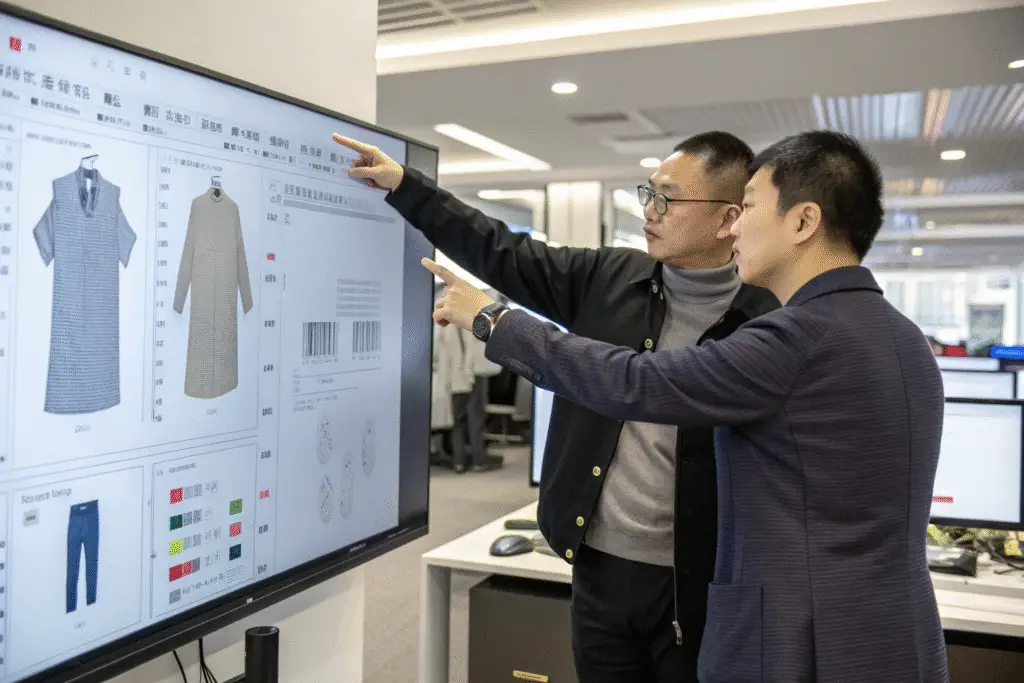
Technical Insights for Activewear Development
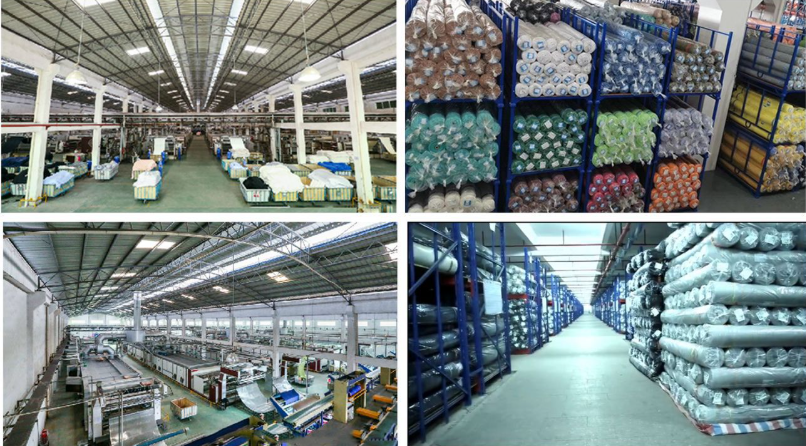
Activewear performance results from the interaction of materials, garment geometry, manufacturing methods, and intended movement.
Understanding these relationships helps product development teams make better technical decisions before committing to samples, tooling, or bulk production.
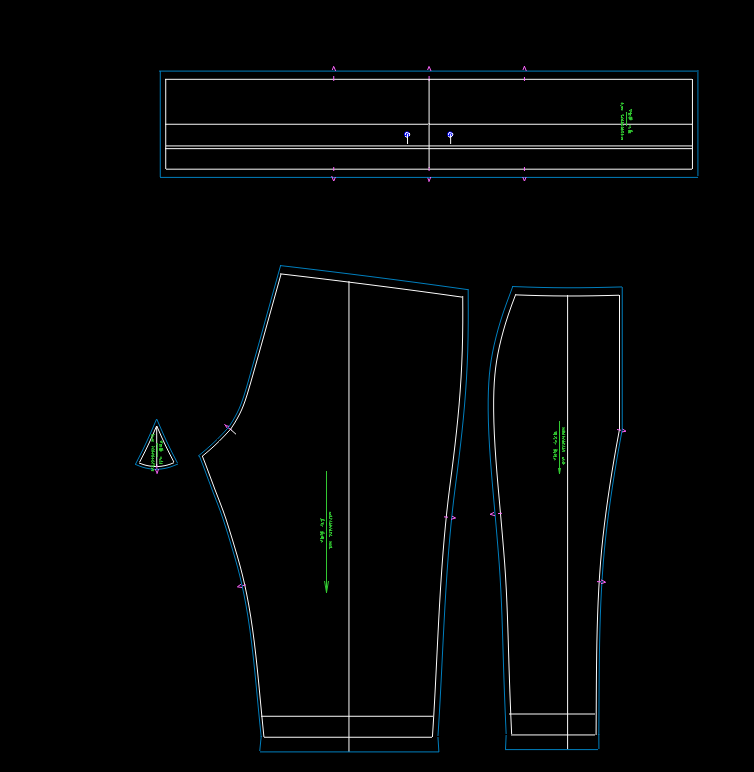
Fabrics & Performance
Fiber composition is only one part of material selection.
Two nylon-spandex fabrics with similar stated compositions can differ in extension, recovery, surface feel, coverage, and dimensional behavior because of their yarns, knit structures, density, and finishing.
For leggings, a material may need to balance softness, stretch recovery, garment stability, and coverage under tension. Training garments may place different emphasis on durability, abrasion, or moisture-management requirements.
Material decisions should therefore consider the intended garment, fabric specification, and relevant verification conditions.
For the associated manufacturing and material capability scope, see Fabrics & Materials.
Fit & Pattern Engineering
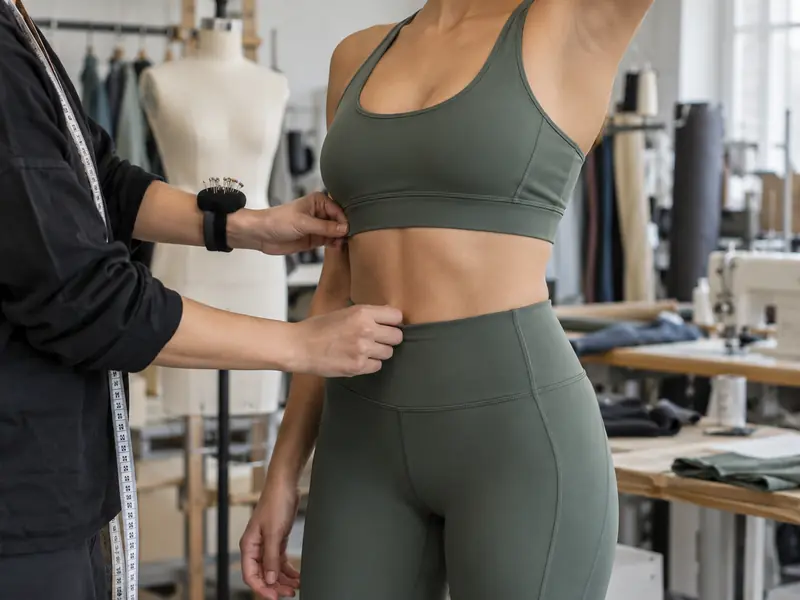
A measurement specification establishes target dimensions, but it does not fully describe how an activewear garment will fit during movement.
Pattern geometry, negative ease, material extension, seam placement, and grading influence the distribution of tension and the stability of the finished garment.
A base-size fitting may reveal important issues, yet additional sizes and relevant movements may require separate assessment.
Explore NorvelaFit's Pattern Making & Technical Fit scope for the engineering work associated with these requirements.
Construction & Testing
Seamless and cut-and-sew manufacturing involve different construction possibilities and constraints.
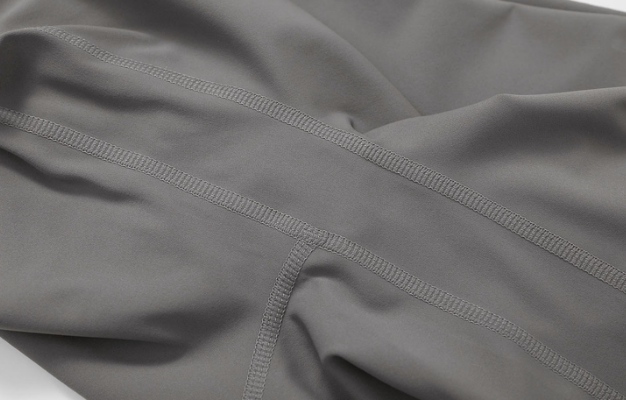
Circular-knit garments can incorporate engineered knit zones, but their feasibility depends on yarns, machine configuration, knitting programs, and finishing requirements. Cut-and-sew construction uses patterns, cut panels, stitching, and assembly to achieve specified garment structures.
Neither route is automatically superior for every activewear style.
Verification also needs to match the technical question. Stretch recovery, seam strength, dimensional stability, colorfastness, and garment coverage are different properties and may require different assessment methods.
Technical explanations should identify the conditions under which a conclusion applies, particularly when material or product performance is involved.
Sourcing & Development Guides
Effective sourcing starts with a clear definition of what the brand needs, what has already been approved, and which decisions remain open.
Well-prepared project information helps buyers compare suppliers on a more consistent basis and reduces ambiguity during technical development.
Preparing a Product Brief
A useful product brief identifies the garment type, intended activity, design direction, target customer, size range, and relevant performance expectations.
Existing tech packs, reference samples, measurement charts, and material specifications provide more detailed input where available.
The brief should also distinguish firm requirements from preferences and items that still need technical development.
Evaluating Manufacturing Options
OEM, ODM, and private label arrangements begin from different technical and commercial positions.
An OEM project commonly relies on customer-owned or authorized designs and approved specifications. ODM work may involve further development of garment structure, materials, patterns, and samples. Private label requirements often focus on branding and selected customization of a suitable base style.
The appropriate arrangement depends on the work to be performed and the responsibilities agreed between the parties.
Suppliers should be evaluated against relevant technical capabilities, manufacturing resources, quality requirements, and project conditions—not simply whether they offer a particular service label.
Planning Sampling & Approval
Prototype, fit, size-set, and pre-production samples serve different technical purposes.
A sampling plan should clarify what is being evaluated at each stage, who can approve the result, how revisions are recorded, and which documents establish the technical baseline for subsequent work.
Sample completion, sample approval, and authorization for bulk production should not be treated as interchangeable milestones.
Reviewing Supplier Requirements
A sourcing review may need to cover factory identity, manufacturing processes, technical documentation, material traceability, quality standards, compliance obligations, minimum quantities, and commercial conditions.
The level of evidence required depends on the brand, product risk, target market, and intended supplier relationship.
For NorvelaFit's project-specific sequence and responsibility framework, see Our Collaboration Process.
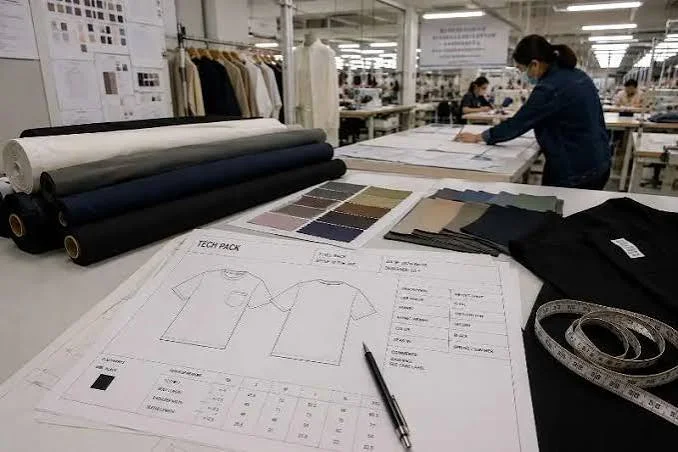
Verified Case Studies & Project References
A useful manufacturing case study does more than show a finished garment. It explains the original project requirement, the technical work performed, the decisions made, and the outcome supported by available records.
For sourcing teams, the value of a project reference lies in understanding the circumstances behind the result and whether those circumstances are relevant to a new project.
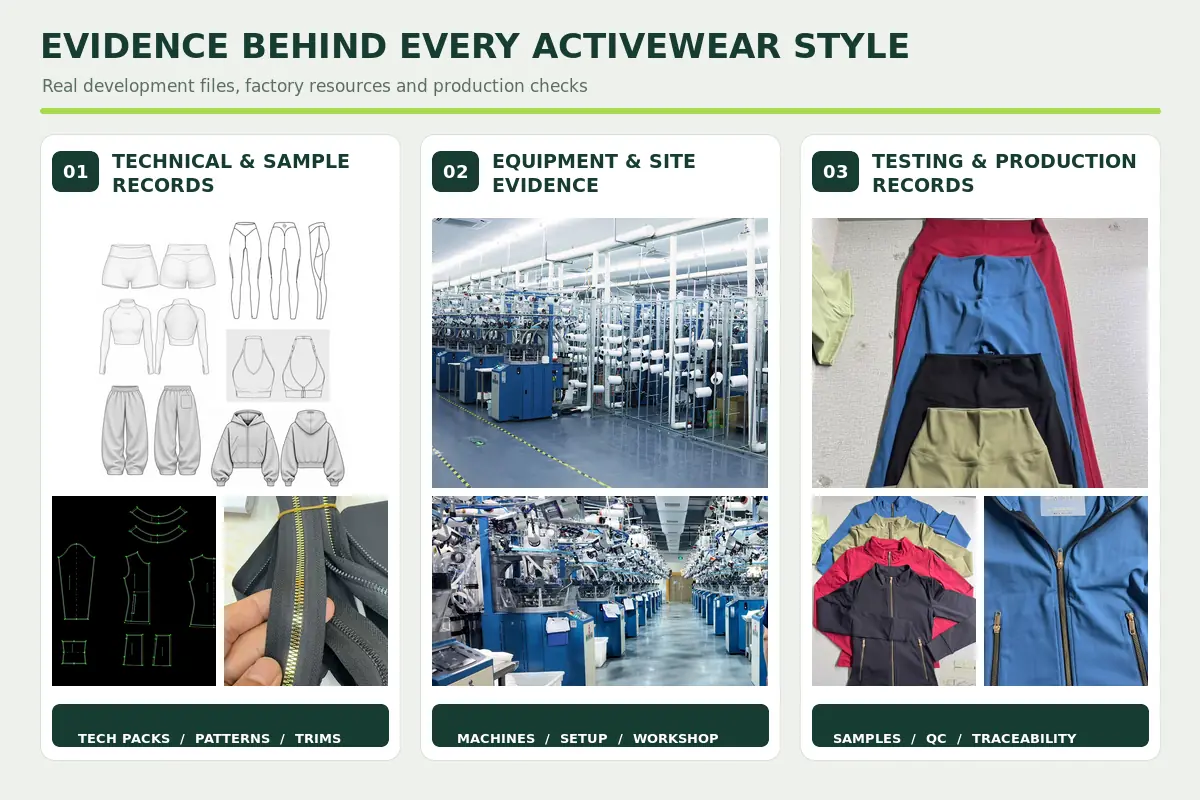
Project Context
A meaningful project reference begins with the type of garment, intended use, development starting point, and requirements that made the work technically significant.
For example, a project may involve refining the fit of stretch leggings, assessing a seamless construction, changing material specifications, or coordinating multiple styles within a collection.
The requirements and constraints should be understood before interpreting the result.
Technical Work & Approvals
Relevant project information may include material evaluations, pattern or knitting revisions, sample iterations, approved technical documents, manufacturing considerations, and customer decision points.
The responsibilities of the brand, development team, and manufacturing resources also affect how the project should be interpreted.
Where information is commercially sensitive, appropriate anonymization and disclosure approval are necessary.
Documented Outcomes
Project outcomes should be described in terms that can be supported by the available evidence.
An approved sample, a completed production order, an inspection finding, and an agreed technical improvement are different types of outcomes.
A case study should not rely on an unverified customer name, unsupported performance figure, or an assumed manufacturing result.
NorvelaFit's case-study section is reserved for project references that can be substantiated and approved for public disclosure.
From Research to Project Preparation
Technical research is most useful when it helps turn a product idea into clearer requirements.
Whether your team is preparing a new activewear collection, reviewing an existing garment, or evaluating manufacturing options, an initial project brief can help identify the information available and the decisions still required.
Information for an Initial Project Discussion
A useful starting point may include:
- Product scope: Garment types, intended activities, and collection requirements
- Design information: Product briefs, tech packs, drawings, or reference samples
- Materials and construction: Target fabrics, garment features, fit requirements, and preferred manufacturing methods
- Development status: Existing prototypes, sample approvals, unresolved technical questions, or required revisions
- Quality and market requirements: Relevant performance expectations, testing needs, labeling requirements, and destination markets
- Project parameters: Estimated quantities, planned colorways, size ranges, and target schedule
Not every detail needs to be finalized before an initial discussion. It is useful, however, to distinguish approved requirements from assumptions and items that still need evaluation.
For projects that require further specification development, material assessment, pattern work, or sample refinement, see our Product Development services.
When your team is ready to discuss the project with NorvelaFit, share the information currently available so the relevant technical and commercial questions can be identified.