Activewear Products
Product Development and Manufacturing for Activewear Brands
NorvelaFit supports activewear product development and manufacturing across yoga and Pilates, gym and training, performance sportswear, and athleisure.
Our product scope includes women's and men's activewear, with development requirements shaped by intended use, garment construction, fabric behavior, fit, and collection specifications.
Explore our product categories to find the product directions relevant to your brand and identify where to continue your evaluation.
Explore Our Product Categories
Our product portfolio is organized around four principal application areas. Each category reflects a different set of movement, wearability, construction, and collection development requirements.
Select the category that best matches your product brief.
Yoga & Pilates Wear
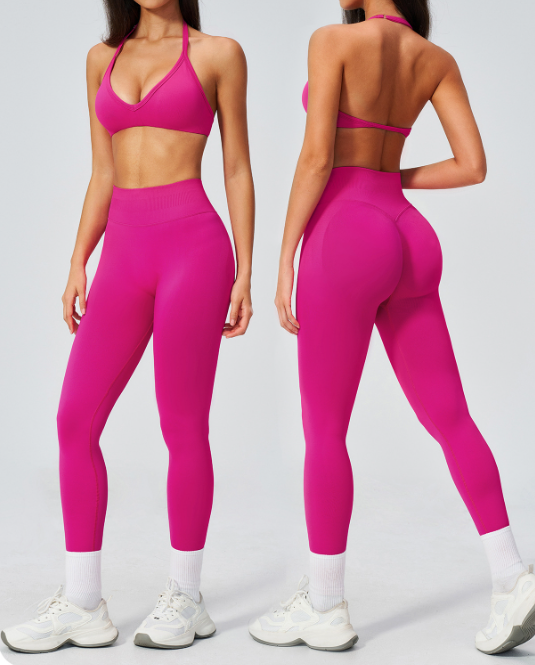
For yoga, Pilates, and studio-focused collections, development priorities often include freedom of movement, comfort through extended positions, controlled coverage, and consistent fit.
Reformer-based activities may introduce additional considerations around garment contact points, seam placement, and friction.
Gym & Training Wear
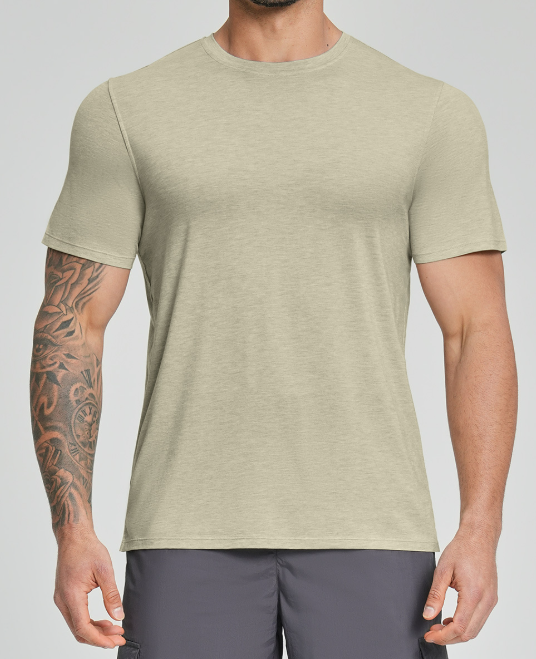
Training apparel needs to accommodate repeated movement, changing body positions, and different levels of physical activity.
Development priorities may include garment stability, structural support, stretch recovery, and durability appropriate to the intended training conditions.
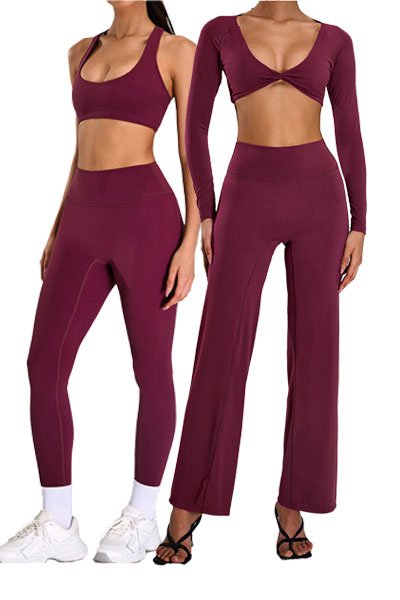
Performance Sportswear
Performance apparel is defined by the requirements of a particular sport or activity rather than a general performance label.
Running and other movement-specific applications can involve decisions about garment weight, mobility, friction, ventilation, and functional details.
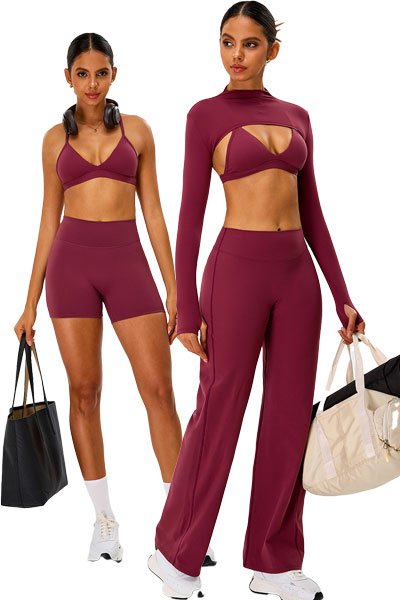
Athleisure Wear
Athleisure combines sports-inspired construction with everyday wearability and collection styling.
Development considerations include silhouette, fabric handfeel, garment drape, finishing details, and consistency across coordinated styles.
Core Product Families Across Our Range
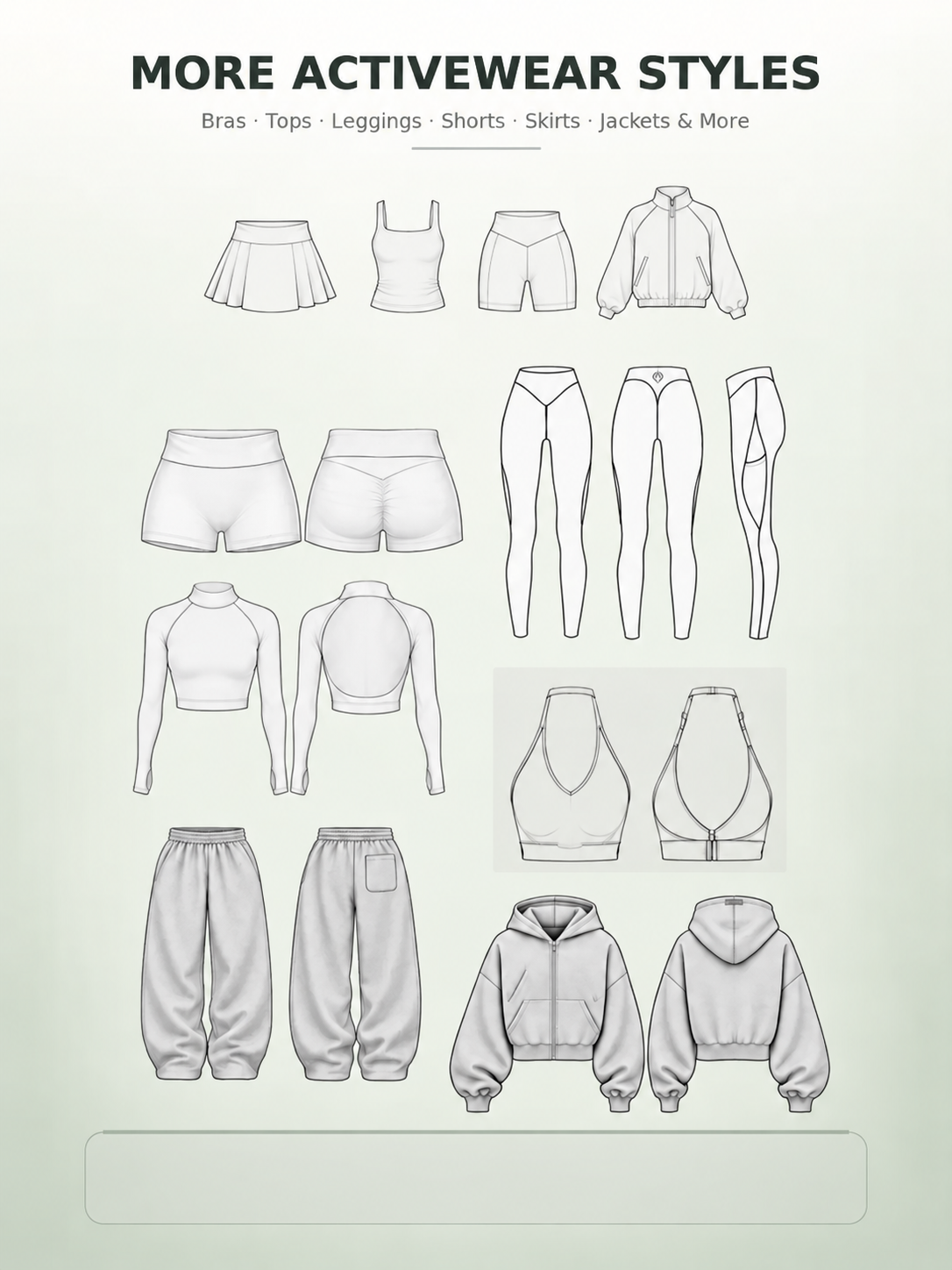
Product teams often source by garment type as well as by sport. Our development scope spans several core activewear product families, each with its own construction options and specification requirements.
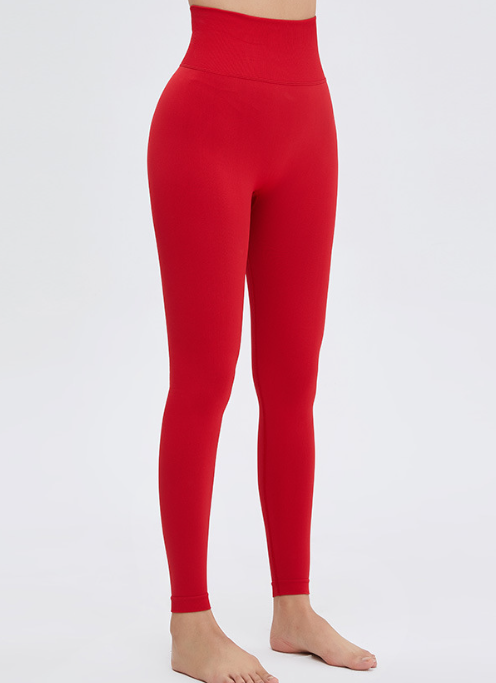
Leggings
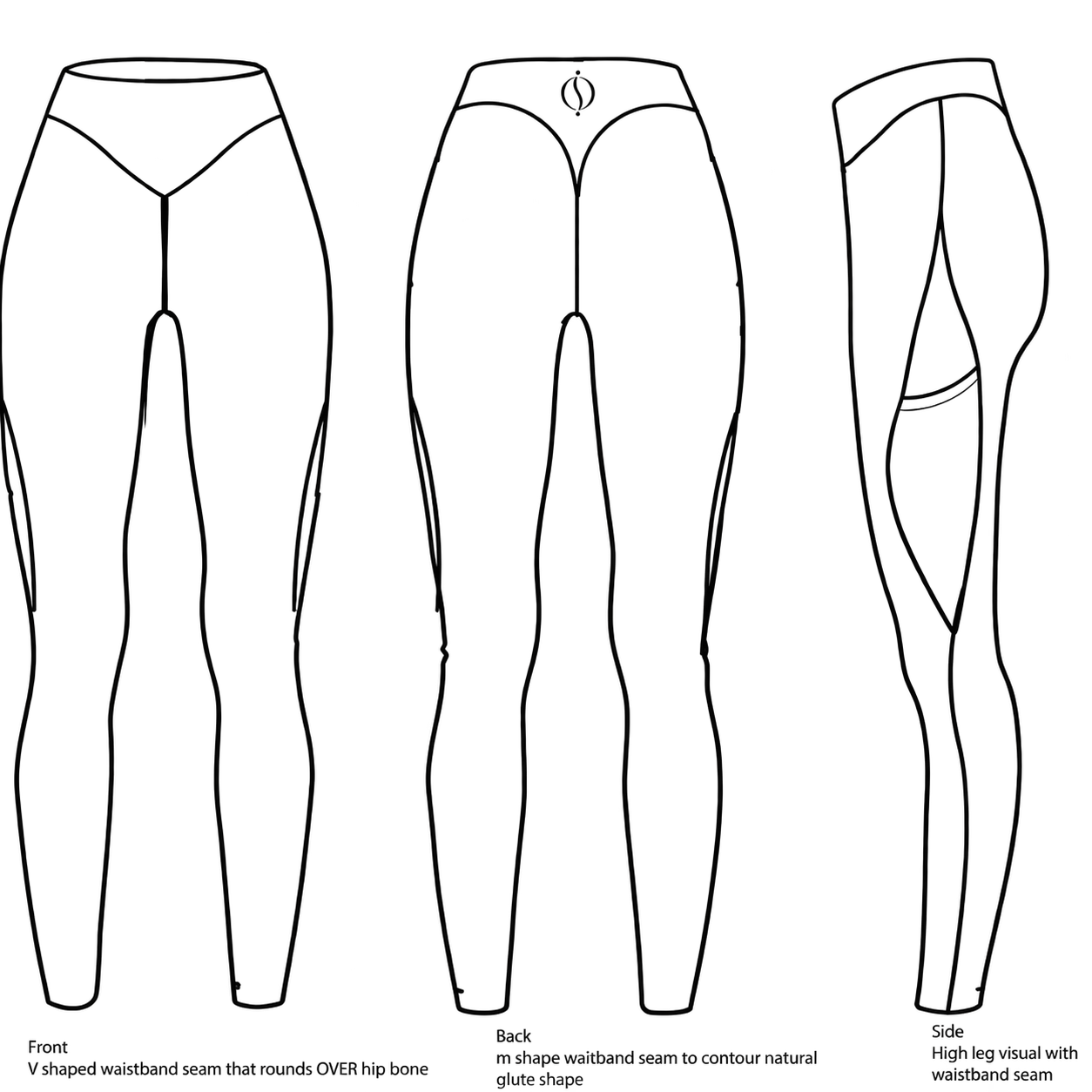
Product directions include full-length, 7/8, high-waisted, flared, seamless, and no-front-seam styles.
Development variables include waistband construction, inseam length, panel configuration, gusset design, pocket placement, and fabric stretch characteristics. These choices are evaluated against the required silhouette, fit, and end use.
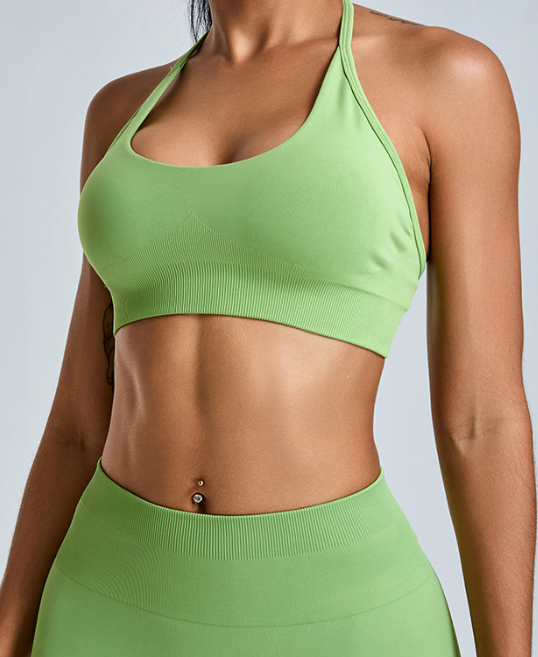
Sports Bras
Product options include strappy, longline, racerback, and other support-oriented constructions.
Strap configuration, neckline coverage, underband tension, lining, removable cup arrangements, and fabric resistance influence the finished design. Support expectations need to be defined for each style rather than assumed from its appearance.
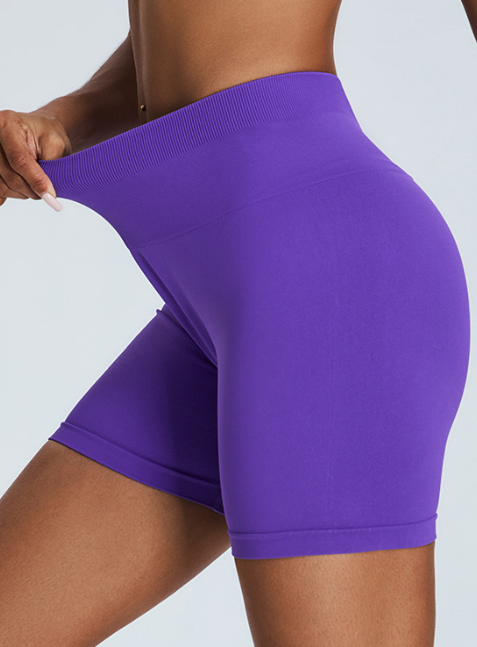
Shorts
The range includes fitted yoga shorts, biker shorts, compression-style training shorts, and looser athletic shorts.
Key design options include inseam length, waistband construction, side openings, integrated liners, gussets, and functional pockets. Not every construction is appropriate for every intended use.
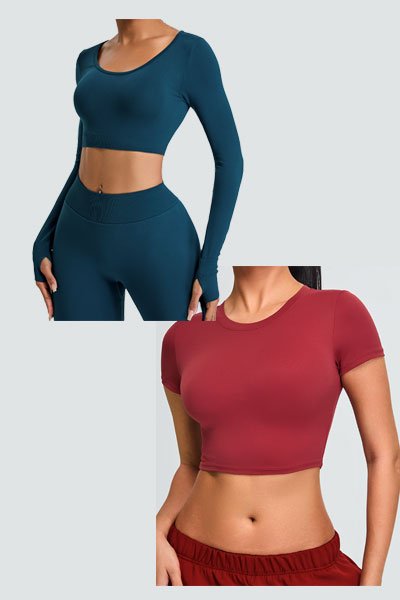
Tops & Tanks
Product directions include fitted tanks, cropped tops, training T-shirts, sleeveless styles, long-sleeve tops, and lightweight performance layers.
Neckline construction, shoulder mobility, fabric weight, hem design, and ease allowances influence how each garment is developed.
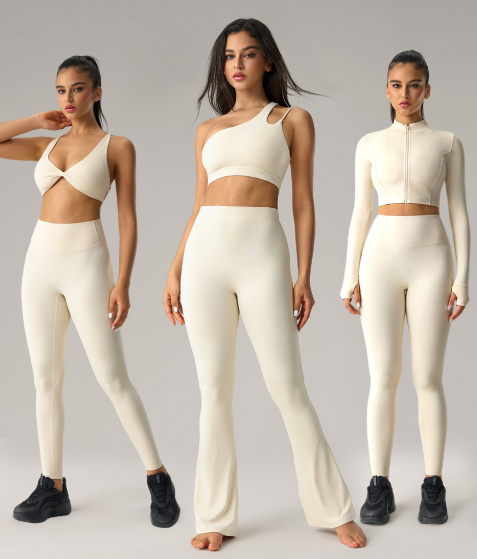
Matching Sets
Coordinated tops and bottoms can be developed as part of a defined product range.
Collection-level specifications need to address color references, compatible fabrics, size relationships, branding placement, and finishing consistency across the included styles.
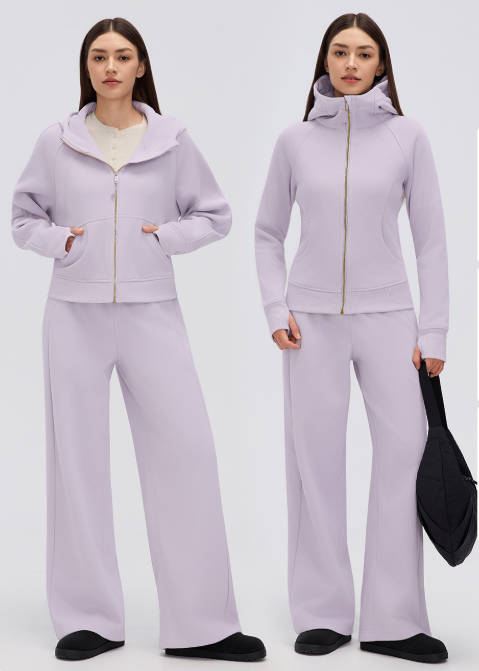
Joggers, Hoodies & Lifestyle Layers
Joggers, sweatshirts, hoodies, lightweight jackets, and related lifestyle garments expand the product scope beyond close-fitting activewear.
Development choices include silhouette, fabric structure, rib construction, pocket details, garment drape, and finishing methods appropriate to the collection.
What Shapes Product Development Requirements?
A product name alone is not enough to define a development brief. Garment requirements need to reflect how the product will be worn, how it should fit, and which characteristics must be evaluated before approval.
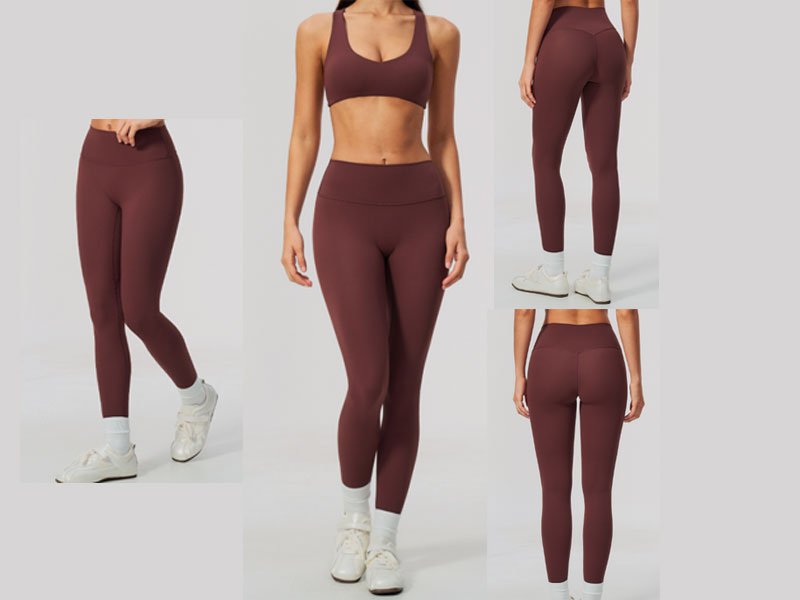
Use Case & Movement
The intended activity determines which movements and garment contact points matter.
A product brief may need to account for deep flexion, repeated stretching, running motion, seated positions, or contact with training equipment. The relevant conditions should be identified before fit and construction decisions are finalized.
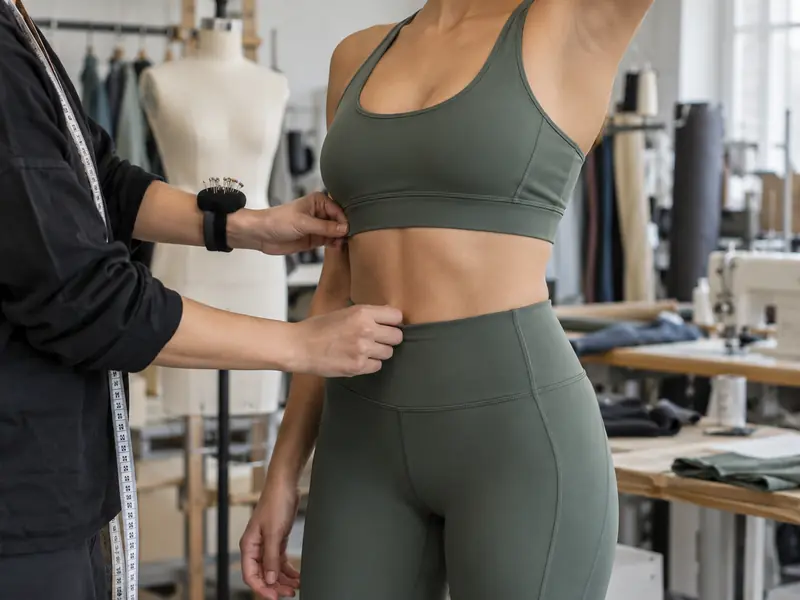
Fit & Support
Fit requirements extend beyond a static size chart.
Waistband position, garment tension, shoulder movement, underband fit, and ease allowances can affect comfort and stability. Measurements and fit assessments need to reflect the intended wearer, size range, and activity.
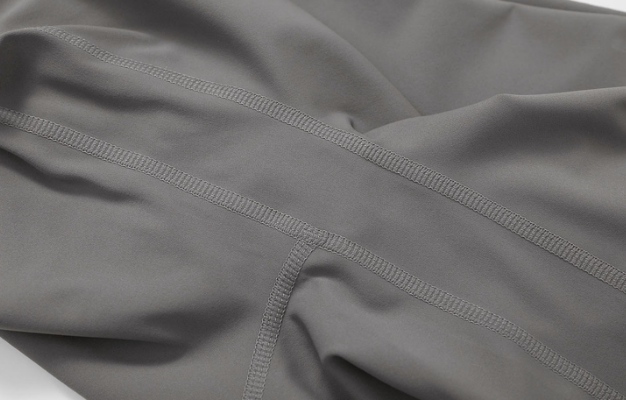
Fabric Behavior
Fabric selection involves more than composition and weight.
Stretch direction, recovery, handfeel, opacity under extension, dimensional stability, and color behavior can influence the suitability of a material. These properties should be evaluated under conditions relevant to the finished garment.
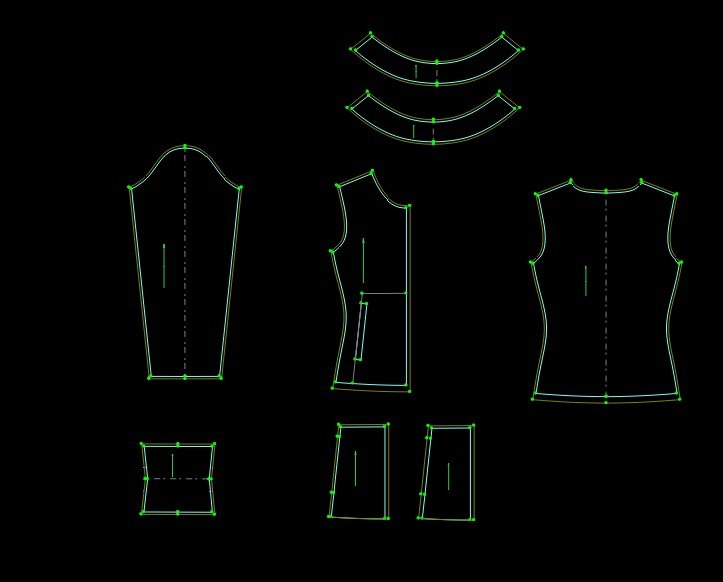
Construction & Validation
Pattern revisions, seam placement, component selection, and sample approval need clearly defined technical references.
Where performance requirements are specified, the development brief should identify the relevant evaluation method and acceptance criteria. An approved sample and its associated specifications provide a reference for subsequent production decisions.
Explore Pattern Making & Technical Fit for garment fit development, or Product Testing & Inspection for product verification requirements.
Construction & Manufacturing Routes
The manufacturing route influences what can be achieved in garment structure, fit, material selection, and production.
NorvelaFit's project model connects product engineering requirements with appropriately matched manufacturing resources. Construction decisions are made in relation to the individual style, approved specifications, and production feasibility.
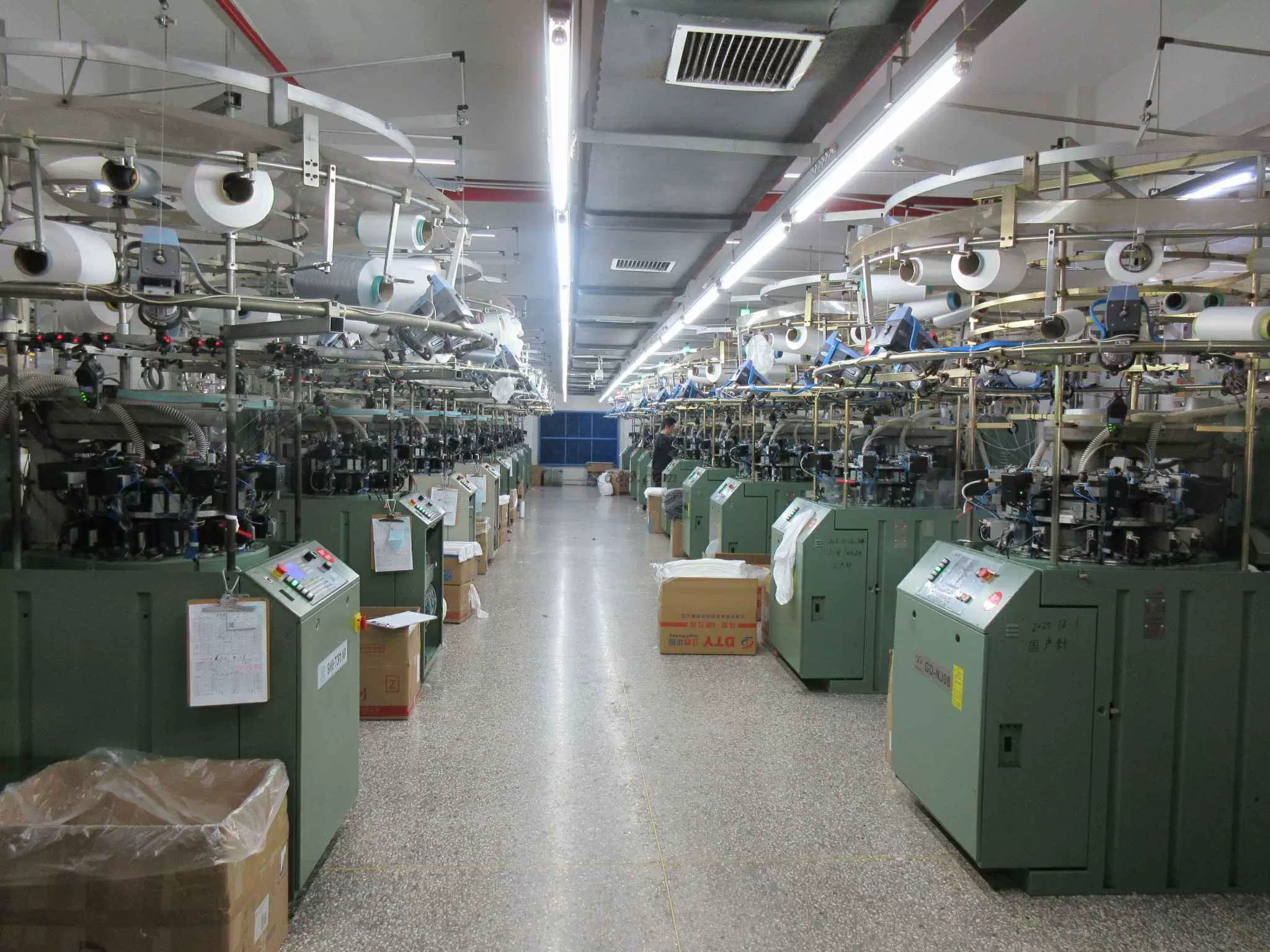
Seamless Construction
Circular knitting can produce tubular garment components with engineered knit structures and fewer cut panels.
This route is relevant to selected leggings, sports bras, tops, and other close-fitting garments where knit organization and localized stretch characteristics are important.
Machine configuration, yarn selection, gauge, cylinder diameter, and knitting programs influence feasibility. Seamless garments may still require joining, gusset construction, straps, cup components, and finishing operations.
The suitability of the proposed equipment and construction must be established for the intended style and size range.
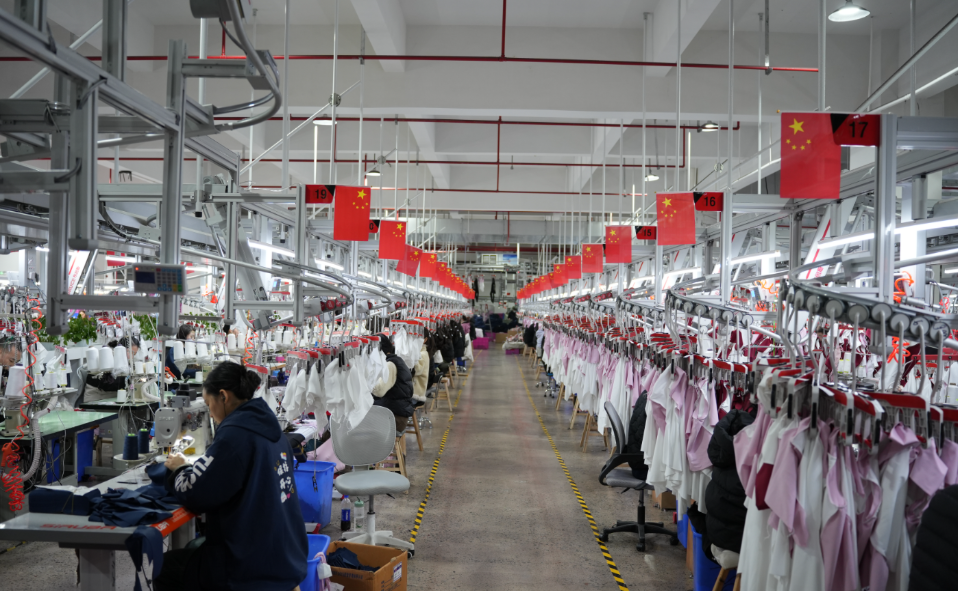
Cut-and-Sew Construction
Cut-and-sew manufacturing uses developed patterns, cut fabric panels, and controlled assembly operations.
This construction route offers flexibility for shaped panels, pockets, liners, gussets, different silhouettes, and garment-specific seam arrangements.
Pattern accuracy, fabric behavior, cutting direction, seam selection, and assembly specifications are important considerations during development and production preparation.
The appropriate route depends on the product design, material properties, and required construction details.
Discuss Your Product Requirements
Planning a new style, refining an existing product, or developing an activewear collection?
An initial product brief helps clarify the development work and manufacturing considerations involved.
Information for an Initial Project Review
Please share the information currently available:
- Product scope: Garment types, intended activities, and collection requirements
- Design references: Tech packs, drawings, or reference samples
- Technical specifications: Target fabrics, fit, sizing, and construction details
- Brand requirements: Colorways, labeling, and branding specifications
- Project parameters: Estimated quantities, target market, and delivery schedule
A complete technical package is useful, but early-stage concepts can also be discussed to identify what needs further development.
For products that require specification refinement or additional technical development, see our Product Development services.